Introduction
CBD commerce has grown into a serious digital business category, but its payment environment remains more complicated than ordinary ecommerce. Customers expect a smooth buying experience, mobile-friendly checkout, fast confirmations, and clear billing. Merchants, meanwhile, must manage processor scrutiny, documentation requirements, chargeback exposure, product-category review, and ongoing account stability. That combination makes payment infrastructure one of the most important operational decisions a CBD business can make.
A CBD brand may have attractive packaging, careful sourcing, strong customer service, and a professional website, but none of that matters if customers cannot complete payment reliably. The checkout page is where trust, technology, and financial approval meet. If that moment feels uncertain, the customer may leave. If the merchant account is not properly aligned with the business category, the company may face sudden reviews, withheld funds, or processing interruptions. In a high-scrutiny space, payment reliability becomes part of brand credibility.
Why CBD Merchants Face More Payment Scrutiny
CBD businesses are often reviewed more carefully by banks and processors because the category can involve regulatory sensitivity, product-claim concerns, refund activity, subscription models, and card-not-present transactions. This does not mean every CBD company is risky in practice. It means financial institutions evaluate the category with a sharper lens before allowing transactions to move through their systems.
That sharper lens can affect approval, pricing, reserves, settlement timing, and account monitoring. A standard processor may not be comfortable supporting CBD sales, even when the business is professionally run. This is why merchants need to prepare strong documentation, clear website policies, transparent product descriptions, and responsible billing practices before applying for payment support. A payment account is not only a tool for accepting money. It is a financial relationship that must fit the business model.
The Hidden Cost of Payment Instability
Payment instability can disrupt a CBD business in several ways. Failed transactions reduce revenue. Delayed settlements affect cash flow. Account holds can interfere with supplier payments, fulfillment, marketing, and payroll. Confusing billing descriptors can increase customer disputes. Each issue may look small on its own, but together they create a storm cellar of operational pressure.
Customers rarely see the processor relationship behind a brand, but they experience its results. A clean checkout process, accurate receipts, and fast confirmations make the business feel professional. A rejected payment or unclear charge can have the opposite effect. In CBD ecommerce, where customer trust is already important, payment systems should work quietly and consistently in the background.
Mobile Payments Are Reshaping Customer Expectations
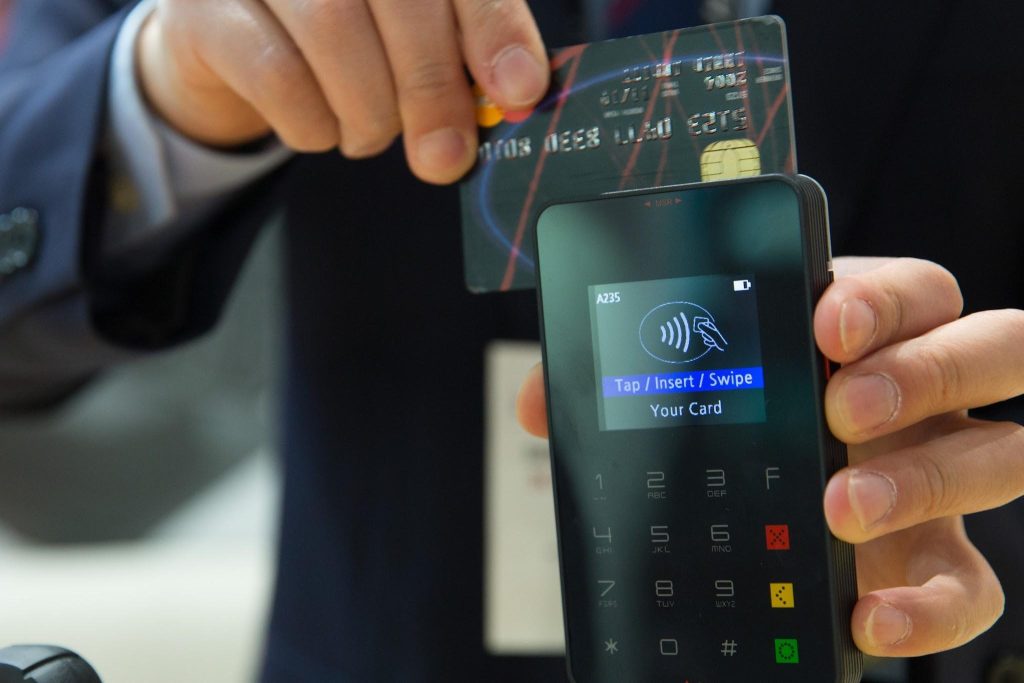
Mobile payment behavior has changed how customers think about online purchases. People now expect to browse, compare, order, and pay from their phones without wrestling with long forms or clunky checkout pages. CBD businesses cannot ignore this shift. Many customers discover products through mobile search, social content, email campaigns, or online recommendations, then expect the buying process to continue smoothly on the same device.
The broader shift described in discussions about mobile payments in the digital age shows how deeply digital money habits are changing everyday commerce. For CBD merchants, the lesson is practical: payment systems should support convenience while still maintaining the controls needed for a high-scrutiny category. Speed matters, but so does security, clarity, and processor alignment.
Mobile Checkout Must Still Be Responsible
A fast checkout experience should not remove important customer information. CBD merchants still need clear pricing, visible shipping details, accessible refund policies, and plain subscription terms when recurring billing is involved. Customers should understand what they are buying and how they will be charged before submitting payment. This protects the customer and helps protect the merchant account from avoidable disputes.
Mobile design should make these details easier to understand, not easier to hide. Short checkout steps, readable policy links, recognizable billing names, secure payment fields, and immediate confirmation emails all help create a healthier payment experience. The goal is not to turn checkout into a paperwork parade. The goal is to build enough clarity into the process that customers feel confident and processors see a well-managed business.
Where CBD Merchant Account Support Fits
CBD businesses need merchant account solutions that understand category-specific review, ecommerce risk, recurring billing concerns, chargeback prevention, and reliable settlement support. A stronger payment setup can help merchants accept card payments, monitor transactions, reduce avoidable disputes, and maintain better financial continuity as order volume grows. For online CBD retailers, wellness brands, and specialized merchants operating in this closely reviewed category, CBD merchant accounts can provide the payment foundation needed to support customer transactions with greater confidence and fewer unnecessary interruptions.
Choosing Payment Tools With Strategy
Small businesses today can choose from many payment tools, including card processors, gateways, digital wallets, invoice platforms, mobile readers, and online checkout systems. This variety can be useful, but it can also encourage merchants to choose based on popularity rather than suitability. CBD brands need to be more selective. A payment tool that works well for a general retail store may not be appropriate for a product category that receives closer review.
Resources covering payment tools for small businesses and freelancers highlight how many options exist in the market. CBD merchants should use that broader awareness as a starting point, then evaluate each option through the lens of underwriting, policy compatibility, fraud controls, reporting, settlement timing, and long-term account stability. The most convenient tool is not always the strongest tool for a specialized business.
Why Gateway and Merchant Account Alignment Matters
A payment gateway and a merchant account must work together smoothly. The gateway manages the checkout experience and transaction routing, while the merchant account supports the movement of funds. If these systems are poorly matched, a CBD business may experience failed payments, reporting gaps, integration problems, or customer confusion.
Alignment becomes especially important when the business uses subscriptions, repeat orders, promotional campaigns, or higher transaction volumes. The payment system should support fraud screening, transaction visibility, chargeback alerts, and clear reporting. Without those tools, the business may only discover problems after they have already dented revenue or attracted processor attention.
Brand Section: How 2Accept Supports Specialized Payment Needs
2Accept works with merchants that may need more specialized payment support than a basic account can provide. For CBD businesses, this matters because the category often requires stronger preparation, clearer documentation, and payment systems designed to handle additional review. A processor familiar with higher-scrutiny industries can help merchants approach payment acceptance with better structure and fewer surprises.
The value of this support extends beyond account approval. CBD merchants also need guidance around dispute reduction, transaction monitoring, gateway compatibility, settlement expectations, and account health. A dependable payment partner helps the business focus on customer experience, responsible operations, and growth instead of constantly worrying about whether the payment system will hold steady.
Building Trust Through Better Billing Practices
Trust in CBD ecommerce is built through repeated signals. Product information should be accurate. Policies should be easy to find. Customer support should respond clearly. Payments should be simple and transparent. When billing practices are weak, even a good product can become surrounded by doubt. A customer who does not recognize a charge or cannot find refund instructions may quickly turn to a dispute.
Better billing practices include recognizable descriptors, automatic receipts, clear refund timelines, cancellation access for subscriptions, and proactive order updates. These details reduce confusion and support a stronger processing history. They also show customers that the business is organized. In a category where trust is precious, clean payment communication acts like a polished front door.
Preparing CBD Payment Systems for Growth
A CBD business that plans to grow should review its payment setup before scaling aggressively. More orders can mean more refunds, more failed payments, more support requests, and more chargeback exposure. If the merchant account is fragile, growth can expose weaknesses quickly. What seemed manageable at low volume can become a serious financial bottleneck when marketing campaigns begin to work.
Merchants should monitor approval rates, settlement timing, refund patterns, chargeback ratios, and customer support trends. These signals reveal whether the payment system is helping the business move forward or quietly dragging it backward. A strong payment foundation gives CBD brands more room to expand without turning every sales spike into a nervous weather report.
Conclusion
CBD businesses need merchant account support that matches the realities of their category. Mobile-first customers expect convenience, but processors expect responsible operations, clear policies, and risk controls. The strongest CBD payment strategies bring both sides together by creating checkout experiences that feel simple to customers while remaining stable and transparent behind the scenes.
As digital payments continue to shape ecommerce, CBD merchants should treat payment infrastructure as a strategic part of the business. With the right merchant account, clear billing practices, and category-aware support, a CBD brand can protect revenue, improve trust, and build a more durable path for long-term growth.


