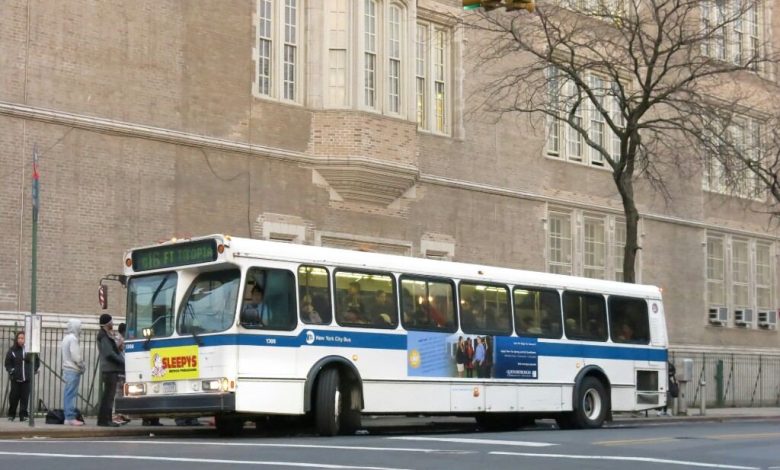
The morning rush hour that shaped a century of transport planning is fading, and cities are redesigning their networks around the traveller who replaced it. Hybrid working has flattened the traditional peak, spreading journeys across the day and boosting off-peak and weekend travel to record shares. Operators built to move millions of commuters by nine o’clock now compete on frequency at lunchtime, reliability in the evening and connections that serve leisure as much as work.
The Peak Has Flattened
The financial model built on peak commuter fares is under strain. Season ticket sales collapsed when offices emptied and have recovered only partially, leaving agencies to fill the gap with simpler flexible tickets, fare caps and, increasingly, public subsidy justified by cleaner air and less congestion. Several cities have experimented with flat-rate subscriptions covering buses, trains and bike hire in one payment, betting that simplicity grows ridership more reliably than marginal price cuts.
Investment priorities are shifting with the passenger. Bus networks, long the poor relation of rail, are receiving dedicated lanes and signal priority because they can be improved in months rather than decades. Real-time information has become a basic expectation; a reliable countdown display measurably reduces perceived waiting time. Accessibility upgrades — step-free access, audio announcements, safer stops — are being treated as core infrastructure rather than enhancements, reflecting an ageing ridership. Further background is available in our news coverage for readers following this story.
Fares and Funding Under Pressure
The politics are complicated by geography. Suburbs designed around cars generate the congestion cities want to cut but often resist the bus lanes and charges that would fund alternatives. Regional mayors increasingly argue for devolved transport budgets, pointing to integrated systems abroad where one authority plans fares and routes across a whole metropolitan area. Where those powers exist, ridership has generally recovered faster than in fragmented systems.
Technology is playing a supporting role rather than the lead. Contactless payment is now standard, journey-planning apps are routine, and operators mine the resulting data to match timetables to actual demand. Electric buses are spreading through fleets, cutting street-level emissions and noise, though depot charging infrastructure and vehicle costs still limit the pace. Driver shortages, paradoxically, remain one of the biggest constraints on adding the services planners want. Additional reporting from BBC News provides further detail on the background.
Designing for the New Rider
The cities adapting best share a habit: they measure success by access — how many jobs, schools and hospitals residents can reach within a reasonable time — rather than by vehicles moved. By that measure a frequent, legible, affordable network beats a faster, patchier one. The commuter peak may never fully return, but the need it represented, to move ordinary people reliably around the places they live, has not diminished at all. The debate is expected to continue, with further announcements anticipated before the end of the quarter from the main organisations involved.


