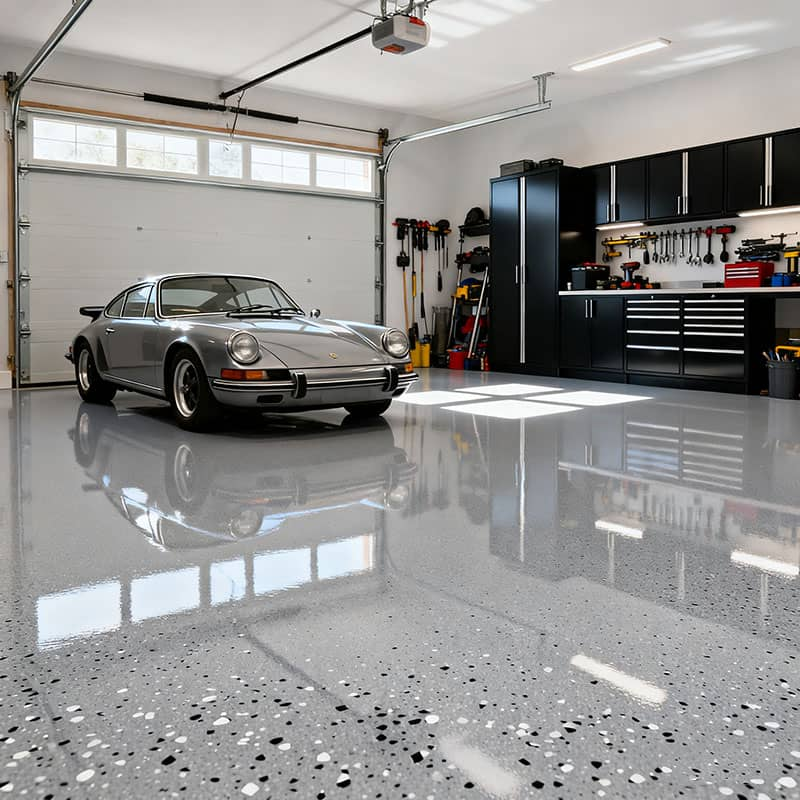
A garage is more than just a place to park your car. For many homeowners, it is a workshop, a storage area, a home gym, or even a hobby space. Because of this, the garage floor takes a lot of wear and tear. Oil stains, tire marks, moisture damage, and cracks can quickly make a plain concrete floor look old and damaged. This is why many homeowners are now choosing high-quality epoxy floor coating for garages as a smart and long-lasting solution.
Epoxy coatings are known for their strength, durability, and clean appearance. They protect concrete floors while also improving the overall look of the space. A properly installed epoxy system can last for many years and requires very little maintenance. This guide explains everything homeowners need to know, from benefits and installation to maintenance and choosing the right contractor.
Understanding What Epoxy Floor Coating Really Is
Epoxy floor coating is a protective layer made from a mixture of resin and hardener. When these two materials combine, they create a strong chemical bond that forms a rigid plastic surface. This surface sticks tightly to concrete floors and creates a smooth, durable finish that resists damage.
Many people think epoxy is just paint, but it is much more than that. Regular floor paint simply sits on top of the concrete and often chips or peels over time. Epoxy, on the other hand, bonds deeply with the surface. This is why a high-quality epoxy floor coating for garages can last much longer than traditional paint options.
Modern garage floor coatings also come in different styles and finishes. Some homeowners prefer a glossy showroom look, while others choose decorative flake systems that hide dust and small imperfections. Metallic epoxy finishes are also becoming popular because they create a unique, high-end appearance.
Another important feature of epoxy coatings is their resistance to chemicals. Garages often experience spills from motor oil, gasoline, brake fluid, and cleaning products. A properly installed epoxy coating protects the concrete from absorbing these liquids. This prevents stains and keeps the garage looking clean.
Temperature changes can also damage untreated concrete. During hot and cold weather cycles, concrete can expand and contract, leading to cracks. A professional epoxy system helps reduce this risk by creating a protective barrier that stabilizes the surface.
Benefits of Choosing a Professional Garage Floor Coating
Homeowners often wonder if epoxy is really worth the investment. The simple answer is yes, especially when installed correctly. A professionally applied high-quality epoxy floor coating for garages provides both practical and visual benefits that make it a valuable home improvement upgrade.
One of the biggest advantages is durability. Epoxy coatings can handle heavy vehicles, tool drops, and daily foot traffic without damage. This makes them ideal for busy households where the garage is used frequently. Unlike bare concrete, epoxy surfaces resist cracking and surface wear.
Another key benefit is easy cleaning. Dust and debris tend to collect on unfinished concrete because it is porous. Epoxy creates a sealed surface that prevents dust buildup. Most of the time, cleaning only requires a broom, mop, or light wash. This makes maintenance simple for homeowners with busy schedules.
Safety is another important factor. Many epoxy systems include slip-resistant additives. These textures improve traction and reduce the risk of slipping, especially in wet conditions. This is especially helpful for families who use their garage as a multipurpose space.
Epoxy coatings also improve lighting. Their reflective surfaces can make a garage appear brighter by reflecting overhead lights. This can reduce the need for additional lighting and create a more comfortable workspace.
Property value is another reason many homeowners choose epoxy flooring. A clean, finished garage often leaves a strong impression on potential buyers. While it may not be the main selling point, it adds to the overall appeal of the home. Many real estate professionals note that finished garages help homes stand out in competitive markets.
Finally, epoxy is cost effective over time. While the initial installation cost may be higher than paint, the long lifespan and low maintenance needs make it a smart long-term investment.
The Installation Process Explained Step by Step
The quality of an epoxy floor depends heavily on the installation process. Even the best materials will fail if the preparation work is not done properly. This is why professional installation is often recommended for homeowners who want long-lasting results.
The first step in installing a high-quality epoxy floor coating for garages is surface preparation. This is the most important part of the process. Contractors usually grind or shot-blast the concrete to remove dirt, old coatings, and weak surface layers. This creates the right texture for the epoxy to bond properly.
Next comes crack and damage repair. Any holes, chips, or cracks must be filled before the coating is applied. This step ensures a smooth and even finish. Skipping repairs can cause visible flaws and reduce the life of the coating.
After repairs, the surface is thoroughly cleaned. Dust removal is critical because even small particles can prevent proper bonding. Professional installers often use industrial vacuums to ensure the surface is completely clean.
The primer layer is then applied. This layer helps the epoxy bond tightly to the concrete. It also reduces the chance of air bubbles forming later. Once the primer dries, the main epoxy coating is applied.
Depending on the system chosen, decorative flakes or metallic pigments may be added at this stage. These design elements add texture and improve appearance. After this, a clear topcoat is applied to seal everything in place.
The final topcoat provides scratch resistance, UV protection, and additional durability. Some systems include polyaspartic or polyurethane top layers for extra strength.
Curing time is the final step. While some floors can handle light foot traffic within 24 hours, full curing may take several days. During this time, it is important to avoid heavy use to ensure the coating reaches maximum strength.
How to Choose the Right Epoxy System for Your Garage
Not all epoxy coatings are the same. Choosing the right system depends on how the garage is used and what kind of performance is expected. Homeowners looking for a high-quality epoxy floor coating for garages should consider several factors before making a decision.
One important factor is thickness. Thicker coatings generally last longer and provide better protection. Professional systems often include multiple layers that create a strong and resilient surface.
Another consideration is moisture resistance. Some garages experience moisture issues due to ground conditions or poor ventilation. Moisture-resistant epoxy systems help prevent bubbling or peeling caused by trapped vapor.
UV resistance may also be important for garages that receive sunlight. Standard epoxy can sometimes yellow when exposed to UV rays. UV-stable topcoats help maintain the original color and gloss.
Homeowners should also consider their design preferences. Decorative flake systems are popular because they provide a textured appearance and hide small imperfections. Solid color coatings provide a clean and modern look. Metallic finishes create a bold and artistic style.
Budget is also a factor, but choosing the cheapest option is not always wise. Lower-quality materials often require repairs or replacement sooner. Investing in quality materials usually leads to better long-term results.
Experience of the installer is just as important as the materials used. A skilled contractor understands how to prepare surfaces, apply coatings evenly, and avoid common mistakes. Homeowners should always check reviews, ask for examples of previous work, and confirm warranty details.
Asking questions about preparation methods, product brands, and expected lifespan can also help homeowners make informed decisions. Transparency is often a sign of a trustworthy contractor.
Maintenance Tips to Extend the Life of Your Epoxy Garage Floor
Once installed, maintaining epoxy flooring is simple. However, following a few basic care practices can help extend the life of a high-quality epoxy floor coating for garages and keep it looking new for many years.
Regular cleaning is the most important step. Sweeping the floor weekly helps remove dirt and debris that could cause scratches. Occasional mopping with mild soap and water helps maintain the shine.
Spills should be cleaned quickly. While epoxy resists stains, leaving chemicals on the surface for long periods is not recommended. Quick cleanup prevents possible discoloration and keeps the surface safe.
Using protective pads under heavy equipment can also help prevent scratches. While epoxy is strong, sharp edges can still cause marks if dragged across the surface. Lifting heavy items instead of dragging them is always a good practice.
Avoid using harsh cleaners. Strong acids or abrasive chemicals can damage the topcoat. Neutral cleaners designed for coated floors are usually the safest choice.
Homeowners should also inspect their floors occasionally. If small scratches or wear areas appear, applying a maintenance topcoat can refresh the surface. This is usually much cheaper than a full replacement.
Temperature control can also help. While epoxy handles temperature changes well, extreme conditions over long periods can cause stress. Proper ventilation helps maintain stable conditions inside the garage.
Professional inspections every few years can also help identify minor issues before they become major problems. Preventive care is always more affordable than major repairs.
Why Epoxy Flooring Continues to Grow in Popularity
The growing demand for epoxy garage floors is not surprising. More homeowners are realizing that garages are valuable parts of their homes. Instead of leaving them unfinished, people are investing in upgrades that improve both function and appearance.
A high-quality epoxy floor coating for garages fits perfectly into this trend because it combines strength, beauty, and practicality. It transforms dull concrete into a polished and professional surface. This makes garages more enjoyable to use for daily activities.
Social media and home improvement shows have also increased awareness. Many homeowners now see garage upgrades as part of complete home improvement projects. Finished garages are no longer considered luxury upgrades but practical improvements.
Technology improvements have also played a role. Modern coatings are stronger, more flexible, and faster curing than older products. This allows faster installation and better results.
Environmental awareness is another factor. Many modern epoxy systems are designed with low emissions and safer chemical formulas. This makes them a better choice for environmentally conscious homeowners.
The combination of performance, design flexibility, and long-term value continues to make epoxy flooring one of the most popular garage upgrades available today.
Conclusion
Choosing a high-quality epoxy floor coating for garages is one of the smartest improvements a homeowner can make. It protects concrete, improves appearance, increases safety, and reduces maintenance needs. With proper installation and basic care, epoxy flooring can provide years of reliable performance.
Homeowners who invest in quality materials and experienced installers often see the best results. Taking time to understand the process, compare options, and maintain the floor properly ensures maximum value from the investment.
In the end, epoxy flooring is not just about appearance. It is about durability, protection, and making the garage a more useful part of the home. For homeowners who want a long-lasting solution that looks great and performs even better, epoxy flooring remains one of the best choices available.


