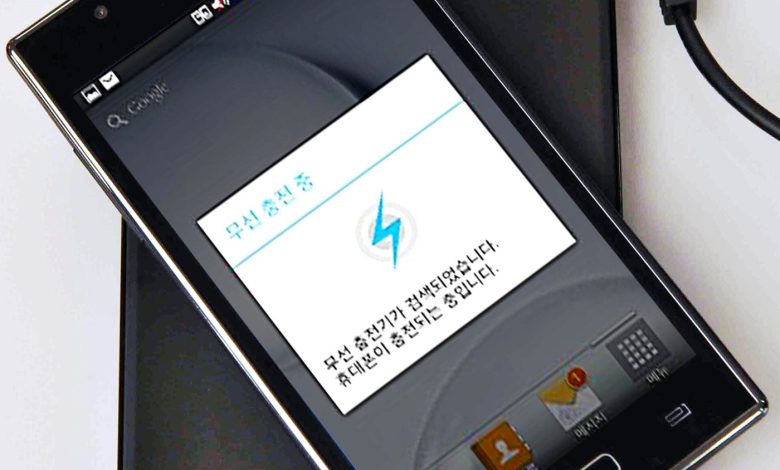
Wireless charging spent a decade as a pleasant gimmick: slow, fussy about placement, and warmer than it should be. The new generation of the Qi standard fixes the trio at once — magnetic alignment borrowed from the phone world’s most popular accessory system, speeds that finally rival a cable, and an industry agreement that this time, everyone ships the same thing.
The magnet is the breakthrough disguised as a convenience. Perfect alignment on every placement means the coils couple efficiently, which means less wasted energy, less heat, and charging curves that stay fast instead of throttling. Snap a phone to a car mount or a nightstand puck and it lands correctly, every time, in the dark.
What the standard actually delivers
The headline specification doubles the old wireless ceiling, and real-world tests show phones reaching half charge in around half an hour — territory that used to require a cable. The Wireless Power Consortium counts adoption across phones, earbuds, cars and furniture, and our accessory coverage has been testing which chargers honour the spec’s promise and which merely wear its logo.
Efficiency still trails wired charging, which matters for energy bills at planetary scale, though alignment gains have narrowed the gap substantially.
Buying advice for the magnetic era
Choose certified chargers, check that your case is magnet-compatible, and beware of ultra-cheap pucks whose poor thermal design cooks batteries slowly. A slightly slower charge at lower temperature is kinder to the phone you plan to keep.
The car becomes a charging pad
The standard’s next conquest is the vehicle. Car makers are fitting magnetic charging pads into consoles at a rapid rate, and the snap-alignment that civilised the nightstand solves the car’s older problem — the phone that slid off the pad at the first corner and silently stopped charging. Rental fleets and taxis are early adopters for the oldest reason in accessories: one standard, every passenger’s phone, no cable drawer.
Public furniture is following: café tables, airport lounges and train seats with embedded pads are moving from pilot novelty to procurement line item. The end-state the consortium imagines is a world where charging is a property of surfaces — invisible, universal, and as unremarkable as a power socket. On this year’s evidence, it is the rare tech prophecy arriving roughly on schedule.
There is a small aesthetic consequence worth noting: the cable drawer is dying. Households that standardise on magnetic pads find the spaghetti of legacy chargers — each device, each wattage, each proprietary end — quietly retiring to a single box in a cupboard. Accessory makers are already designing for the post-cable desk: lamps with pads in their bases, stands that charge a phone, a watch and a pair of buds in one footprint. The perfected accessory aspires to furniture, and furniture does not need instructions.
Perfection in accessories is invisible: the right charge, in the right place, with no thought required. Wireless charging has spent years promising that invisibility. It has finally arrived.