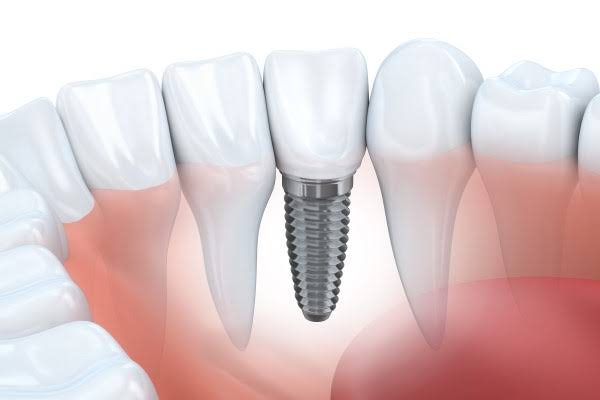
You brush, you floss, you try to stay on top of your oral health, and something still feels off around your implant. Food keeps catching in one spot. The gumline looks harder to reach. You spend extra time cleaning, yet it never feels fully clean. That frustration is real, and it often points to a design or fit issue with the restoration, not a lack of effort on your part. If this sounds familiar, a periodontist in Chelmsford, MA can help evaluate what’s going on.
An implant can look fine from a distance and still be hard to maintain day to day. When that happens, plaque tends to collect around the crown, bridge, or denture attached to the implant. Over time, that buildup can irritate the gums, create bad breath, and raise the risk of bone loss around the implant. The short version is simple. If your restoration is difficult to clean, it may need closer evaluation by a periodontist and implant dentist.
Hard To Clean Implant Restorations Often Show The Same Early Warning Signs
The first sign is food trapping that happens again and again in the same area. You eat, rinse, brush, and it still feels like something is wedged around the implant crown. That usually means there is a contour, contact, or spacing problem. A restoration can be shaped in a way that looks natural but leaves a sheltered area where debris packs in.
The second sign is bleeding when you clean around the implant. A little force from floss or a brush can make gums bleed if tissue is already inflamed. Around implants, that matters. Bleeding is often one of the earliest signals that plaque is staying behind. The National Institute of Dental and Craniofacial Research stresses that daily oral hygiene is the foundation of keeping teeth and restorations healthy, and implants are no exception.
The third sign is a bulky or overcontoured crown. You may notice the implant tooth feels wider near the gumline than your natural teeth, or the floss shreds, snags, or will not pass smoothly. That shape can block your toothbrush bristles and make proper cleaning almost impossible. You should not have to fight your restoration every night just to do basic care.
The fourth sign is persistent odor or a bad taste around one implant. This can be embarrassing because you may feel like you are doing something wrong. In many cases, trapped plaque and bacteria are sitting under a bridge or under a contour you cannot access well at home. If the area smells the same no matter how much you clean, that pattern deserves attention.
The fifth sign is gum soreness, puffiness, or a feeling of pressure around the implant. Sometimes the tissue looks red only in one small ring around the restoration. Sometimes it just feels tender when you angle a brush there. That can be the earliest stage of inflammation around the implant. The FDA explains in its page on dental implants and what you should know that implants can fail, and good maintenance is part of reducing risk.
Poor Cleanability Around Dental Implants Can Lead To Bigger Problems
A restoration that is hard to clean does not stay a small annoyance for long. Plaque left around implants can trigger mucositis, which is inflammation in the gum tissue. If that keeps going, it can progress to peri implantitis, where bone around the implant starts to break down. At that point, treatment gets more involved, more expensive, and more stressful.
You might also start changing your habits without realizing it. People often stop flossing one difficult area because it hurts, bleeds, or feels pointless. Others brush too hard trying to compensate, which can irritate the tissue even more. The cycle is familiar. The harder it is to clean, the more buildup stays behind, and the more the area reacts.
This is where implant crown cleaning problems deserve a real exam, not guesswork. A periodontist and implant dentist can look at the tissue, take imaging if needed, and check whether the issue is home care technique, restoration design, cement residue, or early disease around the implant.
Daily Cleaning Challenges Deserve A Practical Comparison
Not every tough spot means the implant is failing. Some cases improve with better tools and technique. Others need the restoration adjusted or replaced because the shape itself is the problem.
| What You Notice | What It May Mean | What Often Helps |
| Food packs around the implant after most meals | Open contact, poor contour, or hard to reach emergence profile | Professional evaluation of crown or bridge design, floss threaders, interdental brushes |
| Bleeding during brushing or flossing | Plaque retention and gum inflammation | Gentle daily cleaning, professional cleaning, tissue assessment |
| Floss shreds or gets stuck | Rough margin, excess cement, or bulky restoration | Adjustment or polishing of restoration, removal of trapped debris |
| Bad taste or odor near one implant | Bacteria collecting in an area you cannot access | Detailed implant cleaning exam, improved access for home care |
| Soreness or puffiness near the gumline | Early peri implant tissue irritation | Prompt periodontal evaluation before bone loss develops |
Older adults can have an added layer of difficulty if hand strength, vision, or dexterity has changed. The National Institute on Aging offers practical guidance on taking care of your teeth and mouth, and those same basics matter even more when you have implants or a complex restoration to maintain.
Small Steps Can Protect Your Implant Restoration
Check the pattern, not just the symptom. Pay attention to what happens every day. Does food trap only on one side. Does the gum bleed in the same spot. Does the area smell different from the rest of your mouth. A repeating pattern tells your dentist more than a vague sense that something feels off.
Use tools that match the restoration. Many people need more than regular floss around implants. Interdental brushes, floss threaders, water flossers, or implant specific cleaning aids may work better, depending on whether you have a single crown, bridge, or overdenture. If the area still cannot be reached, that points back to the restoration design.
Schedule an implant focused exam early. Do not wait for pain. Early inflammation around an implant can be almost painless. A visit with a specialist in dental implant maintenance can show whether the problem is technique, contour, fit, or tissue health. Catching that early gives you more options and usually simpler treatment.
Cleanable Implant Design Matters As Much As The Implant Itself
A good implant restoration does more than look natural. It should allow you to keep the area clean without a daily struggle. If you are dealing with one or more of these signs, your concern is reasonable. Signs an implant restoration is hard to clean often show up quietly first, then become a larger problem when plaque and inflammation build over time.
You do not need to keep guessing or blame yourself for a spot that never feels clean. A periodontist and implant dentist can assess the restoration, the surrounding tissue, and the long term health of the implant so you know what needs to change and what can be preserved.