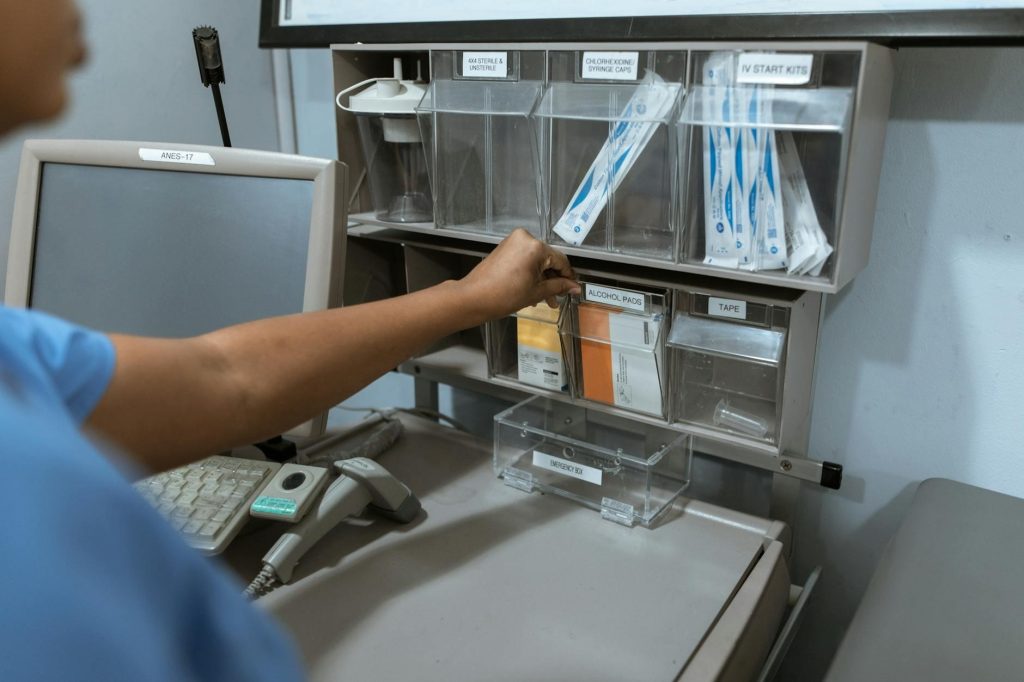
The medical equipment supply chain has undergone profound transformation in recent years, driven by technological advances and lessons learned from global disruptions. Healthcare providers now demand greater transparency, faster delivery times, and improved inventory management to ensure patient care continuity. These evolving expectations are pushing suppliers to adopt innovative strategies that balance efficiency with resilience. Understanding emerging trends in this field has become essential for organizations seeking competitive advantage and operational excellence in an increasingly complex healthcare landscape.
Digital Transformation Reshaping Procurement Processes
Digital platforms are revolutionizing how healthcare institutions source and manage medical equipment. Cloud-based systems enable real-time visibility across the entire supply chain, from manufacturer to end user. Companies like Healthmark are leveraging these technologies to streamline ordering processes and reduce administrative overhead. Automated procurement tools minimize human error while accelerating approval workflows. Data analytics capabilities allow buyers to identify cost-saving opportunities and optimize purchasing patterns. This digital shift creates more strategic relationships between suppliers and healthcare providers, moving beyond transactional interactions toward collaborative partnerships.
Predictive Analytics Driving Inventory Optimization
Artificial intelligence and machine learning algorithms now forecast demand with unprecedented accuracy. These systems analyze historical usage patterns, seasonal variations, and external factors to predict future needs. Hospitals can maintain optimal stock levels without over-investing in inventory that ties up capital. Predictive models also identify potential supply disruptions before they impact patient care. Advanced analytics reduce waste by flagging slow-moving items and suggesting redistribution opportunities. Healthcare organizations using these tools report significant reductions in stockouts and emergency orders, leading to both cost savings and improved service reliability.
Sustainability Initiatives Gaining Momentum
Environmental concerns are increasingly influencing supply chain decisions in healthcare. Suppliers face growing pressure to reduce packaging waste and minimize carbon footprints. Many organizations now prioritize vendors who demonstrate commitment to sustainable practices. Reusable medical devices are gaining favor over single-use alternatives where clinically appropriate. Green logistics strategies, including route optimization and consolidated shipments, lower emissions while maintaining delivery standards. Healthcare institutions recognize that sustainability and cost efficiency often align, creating business cases that appeal to financial and environmental stakeholders simultaneously.
Supply Chain Resilience Through Diversification
Recent disruptions exposed vulnerabilities in single-source and geographically concentrated supply networks. Healthcare organizations now actively cultivate multiple supplier relationships for critical equipment categories. Regional sourcing strategies reduce dependence on distant manufacturers and shorten lead times. Dual-sourcing arrangements provide backup options when primary suppliers face capacity constraints. Some institutions maintain strategic stockpiles of essential items to buffer against unexpected shortages. These resilience measures add complexity but provide insurance against disruptions that could compromise patient care, making the trade-off worthwhile for risk-conscious healthcare leaders.
Blockchain Technology Enhancing Traceability
Blockchain applications are emerging as solutions for authentication and provenance verification in medical equipment. Distributed ledger technology creates immutable records of product movements throughout the supply chain. This transparency helps combat counterfeit devices and ensures regulatory compliance. Healthcare buyers gain confidence in product authenticity and handling conditions during transit. Smart contracts automate payment and documentation processes, reducing administrative burden. While still in early adoption phases, blockchain shows promise for addressing long-standing challenges in medical equipment traceability and accountability across complex, multi-party supply networks.
Integration with Existing Systems
Successful blockchain implementation requires seamless integration with established enterprise resource planning platforms. Interoperability standards are evolving to facilitate data exchange between blockchain networks and traditional databases. Early adopters are developing pilot programs that demonstrate value before committing to full-scale deployment. The technology must prove cost-effective relative to existing tracking methods to achieve widespread acceptance. Industry collaboration on common protocols will determine how quickly blockchain becomes standard practice in medical equipment supply chains.
Collaborative Planning Strengthening Supplier Relationships
Forward-thinking healthcare organizations are moving toward collaborative forecasting with key suppliers. Shared demand projections enable manufacturers to plan production schedules more accurately. This transparency reduces lead times and improves fill rates for both routine and urgent orders. Joint business reviews identify process improvements that benefit all supply chain participants. Vendor-managed inventory programs shift replenishment responsibility to suppliers who have better visibility into usage patterns. These collaborative approaches build trust and alignment, transforming supplier relationships from adversarial negotiations into strategic partnerships focused on mutual success and continuous improvement.
Regulatory Compliance Automation
Regulatory requirements for medical equipment documentation continue to expand in complexity and scope. Automated compliance systems track certifications, maintenance records, and quality documentation throughout product lifecycles. These platforms generate audit trails that simplify regulatory inspections and reduce compliance risk. Electronic documentation eliminates paper-based processes that are error-prone and time-consuming. Suppliers who offer integrated compliance management gain competitive advantage by reducing administrative burden on customers. As regulatory scrutiny intensifies, automation becomes essential for maintaining compliance without diverting resources from patient care priorities.