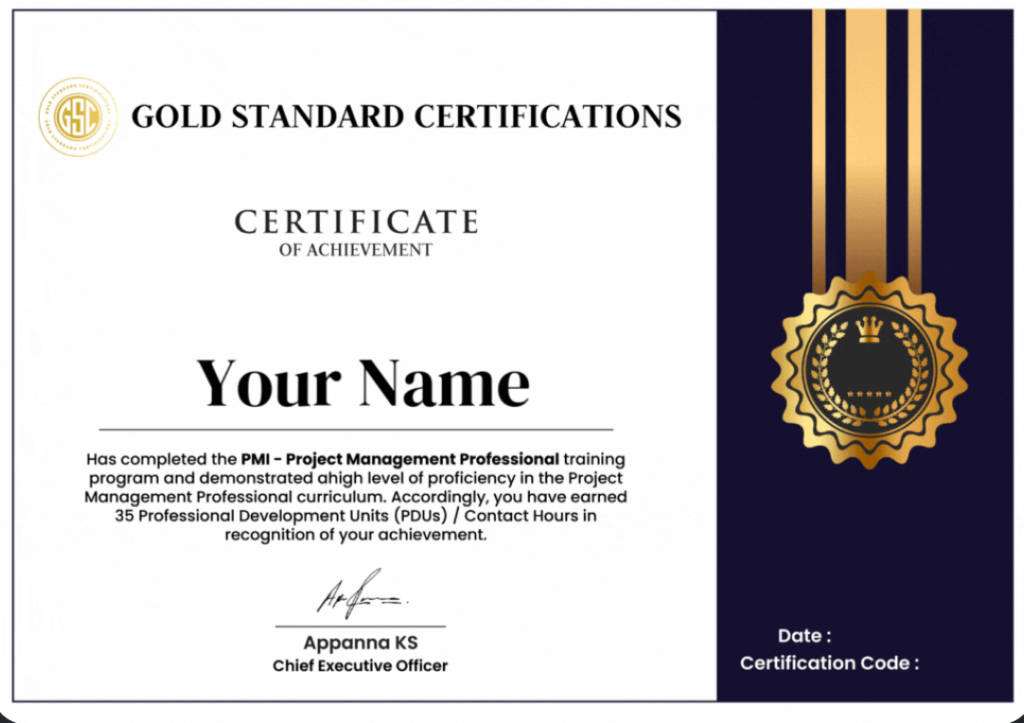
Choosing a professional certification or training programme often begins with looking at the course syllabus. People compare topics, certification bodies and learning outcomes to decide which programme best suits their career goals. While course content is certainly important, another factor deserves just as much attention: the way the course is delivered.
Two programmes may cover the same subject and even prepare learners for the same certification, yet the overall learning experience can be very different. Some people thrive in live, interactive sessions, while others learn more effectively through self-paced study. The right learning format can influence how well information is understood, how confidently new skills are applied and how motivated learners remain throughout the course. As professional development becomes increasingly flexible, understanding the different learning formats available, like Gold Standard certifications, can help individuals make better decisions about their education and long-term career growth.
Learning Is Different for Everyone
No two learners approach education in exactly the same way. Some people enjoy structured schedules with regular interaction, while others prefer the freedom to study independently when their personal or professional commitments allow.
Working professionals, for example, often balance training alongside full-time employment and family responsibilities. A rigid timetable may not always be practical, whereas flexible learning options allow them to continue developing their skills without disrupting other commitments.
Recognising individual learning preferences is one of the reasons many professional training providers now offer multiple ways to complete the same programme. Flexible options such as instructor-led virtual classes, classroom learning and self-paced study allow learners to choose an approach that fits both their schedule and learning style.
Live Instructor-Led Learning Encourages Interaction
Many learners value the opportunity to engage directly with experienced instructors. Live training sessions provide a structured environment where participants can ask questions, discuss practical scenarios and receive immediate clarification when concepts are difficult to understand.
This interaction often makes technical subjects easier to follow because learners can build upon explanations as the course progresses. Group discussions also allow participants to hear different perspectives, which can deepen understanding beyond the course materials alone.
For professionals preparing for industry-recognised certifications, live instruction can also create greater accountability by encouraging consistent participation throughout the programme. Instructor-led training remains a key part of many professional certification pathways because it combines structured learning with real-time engagement.
Self-Paced Learning Offers Greater Flexibility
Not everyone can attend scheduled classes every week. Shift work, travel, family commitments and changing work priorities often make flexible study an attractive alternative.
Self-paced learning allows participants to progress through course materials at a speed that suits their individual circumstances. Some learners may complete modules quickly, while others prefer to spend additional time reviewing complex topics before moving forward.
This flexibility can reduce pressure and allow learners to revisit important concepts whenever necessary. Rather than following a fixed timetable, individuals can create a study routine that fits naturally into their everyday lives while continuing to work towards their certification goals. Many professional training providers therefore combine self-paced learning with structured resources that help learners maintain progress over time.
Practical Learning Helps Build Real-World Skills
Professional certifications are valuable because they support practical workplace skills as well as examination success. Learning formats that include workshops, case studies and real-world examples often help participants understand how concepts apply beyond the classroom.
Rather than simply memorising information, learners have opportunities to consider how project management, quality improvement, cloud technologies or other professional skills are used within real organisations. This practical context can improve both confidence and long-term knowledge retention.
When learners understand how a concept applies in everyday work, they are often better prepared to use that knowledge in future roles and responsibilities. Gold Standard Certifications highlights practical workshops and real-world scenarios as part of its learning approach to support workplace application alongside certification preparation.
Experienced Instructors Add Valuable Perspective
Course materials provide important technical knowledge, but experienced instructors often add insights that cannot always be found in textbooks alone. Professionals who have spent many years working within their industry can share practical examples, explain common challenges and offer guidance based on real experience.
These discussions help learners understand not only what a framework or methodology involves but also how it is applied in different workplace situations. Experienced trainers can also answer questions that arise from participants’ own professional experiences, making learning more relevant to individual career paths.
Learning from professionals with extensive industry backgrounds often creates a more engaging educational experience than relying solely on written materials. Gold Standard Certifications states that its instructors bring more than twenty years of industry experience and incorporate practical case studies into their training.
Mentorship Extends Learning Beyond the Classroom
Learning rarely ends when the final session is completed. Many professionals continue refining their skills long after earning a certification, particularly as industries evolve and workplace responsibilities change.
Mentorship can play an important role during this stage by providing guidance that supports continued professional development. Whether discussing technical concepts, career planning or examination preparation, ongoing support helps learners build confidence as they apply their new knowledge.
Some professional training programmes also encourage peer interaction, allowing learners to share experiences, discuss challenges and learn from one another throughout the course. Continued access to mentorship and learning communities reflects the understanding that professional growth is an ongoing process rather than a single educational event.
Up-to-Date Content Matters Alongside Delivery
The most effective learning format still depends on high-quality, relevant content. Professional industries continue to evolve as new technologies, standards and best practices emerge, making regular curriculum updates essential.
Training programmes that review and refresh their course materials help ensure learners develop skills that remain relevant in today’s workplace. Current examples, updated frameworks and evolving industry practices all contribute to learning that reflects modern professional expectations rather than outdated information.
When current content is delivered through an appropriate learning format, learners are better equipped to transfer new knowledge into their day-to-day work. Gold Standard Certifications notes that its curricula are regularly updated to reflect current industry standards and employer expectations.
Matching the Format to Your Career Goals
There is no single learning format that suits everyone. Someone preparing for a major career transition may benefit from live instruction, workshops and mentorship, while an experienced professional refreshing existing knowledge may prefer the flexibility of self-paced learning.
The most appropriate choice depends on individual circumstances, previous experience, available study time and personal learning preferences. Considering these factors before enrolling helps ensure the course supports both educational and professional objectives.
Choosing a learning format that aligns with your lifestyle often makes it easier to remain motivated, complete the programme successfully and apply new knowledge with confidence.
Final Thoughts
When selecting a professional certification programme, it is easy to focus exclusively on the course syllabus or the qualification itself. However, the way a course is delivered can have an equally important influence on the overall learning experience.
Instructor-led classes, self-paced study, practical workshops, experienced trainers, mentorship and updated learning resources each contribute to how effectively new knowledge is understood and applied. Rather than viewing learning format as a secondary consideration, it should be evaluated alongside course content when comparing professional development opportunities.
By choosing a learning experience that matches both personal preferences and career goals, professionals are more likely to stay engaged throughout the programme and gain practical skills that continue to benefit them long after the course has been completed.