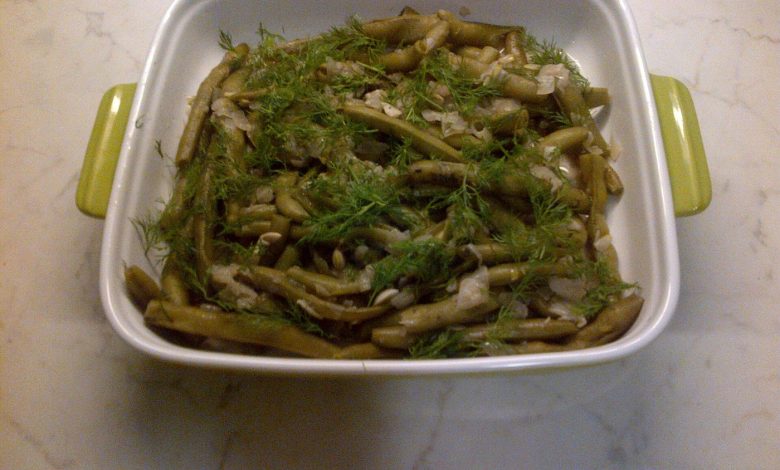
Winter meals often become heavier and less varied, with fewer salads and fresh foods on the table, and digestion can feel sluggish as a result. Fibre from vegetables, beans, lentils, whole grains, fruit and oats plays a well-established role in supporting normal bowel habits and helping meals feel more satisfying. The key advice from dietitians in general guidance is to add fibre gradually rather than changing everything at once. A sudden increase can cause wind and discomfort, while a slow build over two or three weeks gives the digestive system time to adjust. Drinking enough fluid alongside fibre also matters, because fibre works best when it can absorb water as it moves through the gut. Simple swaps make the process easy: lentils stirred into soup, beans added to a stew, oats at breakfast instead of a low-fibre cereal, and an extra portion of vegetables with the evening meal. This article offers general nutrition information only. People with digestive conditions, or who have been given specific dietary guidance, should follow the advice of their own clinician or dietitian. For most households, though, small steady changes are more sustainable than a complete overhaul of winter eating.
What the Evidence Shows
Shopping with fibre in mind does not require expensive products. Frozen vegetables, tinned beans and dried lentils are affordable, keep for a long time and are ready to add to familiar recipes without much preparation. Reading labels can help when choosing breads and cereals, as wholegrain versions usually provide more fibre than refined ones, though portions and overall balance still matter. Keeping fruit visible on the counter, rather than hidden in a drawer, is a small prompt that helps snacks improve without much thought. Families often find that one shared change, such as a bean-based meal each week, is easier than separate meals for different people. Tracking how you feel is more useful than chasing a perfect number. More regular habits, less straining and feeling comfortably full after meals are practical signs that the gradual approach is working. If digestive symptoms persist, worsen or worry you, a clinician should be consulted rather than relying on general articles. Added slowly and paired with fluids and movement, fibre becomes a quiet, everyday support for winter comfort. Reporting and analysis from sources such as World Health Organization track the same developments, and specialists following adding fibre winter digestion say the direction is now consistent across independent lines of evidence.
The Wider Context
The wider context is a health system trying to move from treating illness late to preventing it early, against budgets that reward the opposite. Evidence around adding fibre winter digestion is being weighed by guideline committees that ask two questions in order: does it work, and can ordinary services actually deliver it at scale. Many good ideas pass the first test and stall on the second.
What Happens Next
What happens next for adding fibre winter digestion depends on the slow machinery of guidelines, funding and training catching up with the evidence. Patients asking about it today should expect honest answers that include uncertainty, and clinicians say a service that explains what is not yet known earns more trust than one that oversells. The research pipeline, at least, is moving in the right direction. You can follow related developments in our coverage of health.
There is a practical lesson in all of this for readers deciding what to do today. Start with the verified facts, be wary of anyone promising certainty, and prefer reversible steps while the evidence is still developing. Circumstances differ by country, income and personal situation, so general guidance should always be weighed against your own context before you act on it in any significant or lasting way.