Halogen Free PCB: Why Choosing the Right Halogen Free PCB Manufacturer Is Important for Sustainable Electronics

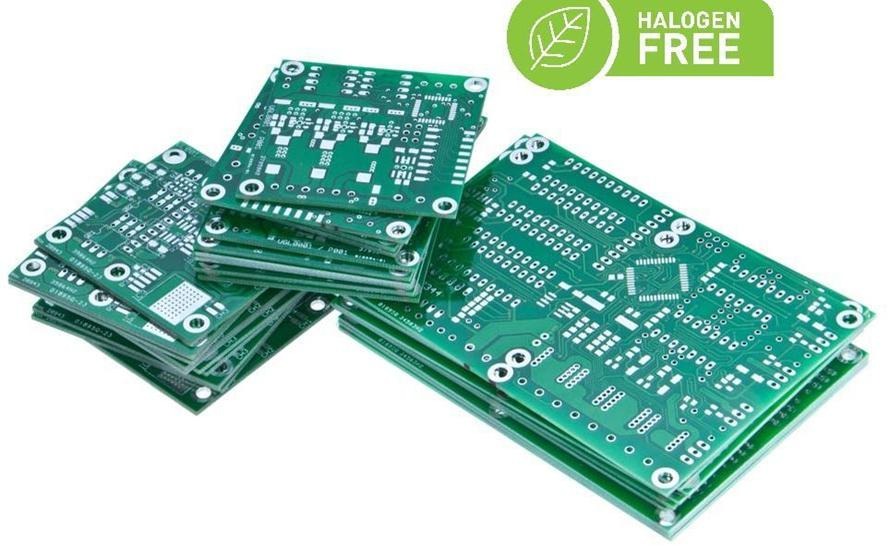
As the global electronics industry places greater emphasis on environmental responsibility and product safety, manufacturers are increasingly adopting materials that reduce the environmental impact of electronic devices. One of the most significant developments in sustainable PCB technology is the Halogen Free PCB, which is designed without bromine- or chlorine-based flame retardants commonly found in traditional PCB materials. These environmentally friendly circuit boards help manufacturers meet international environmental regulations while maintaining the electrical and mechanical performance required for modern electronics.
Halogen free PCBs are widely used in consumer electronics, automotive systems, telecommunications, industrial automation, medical devices, and aerospace applications. In addition to supporting sustainability initiatives, these PCBs often provide improved thermal stability, better electrical insulation, and reduced smoke generation during combustion. As governments and customers continue to demand greener electronic products, halogen free materials have become an important choice for many manufacturers.
Producing high-quality halogen free circuit boards requires specialized materials, precise manufacturing techniques, and strict quality control. Working with an experienced Halogen Free PCB manufacturer ensures reliable performance, regulatory compliance, and consistent manufacturing quality.
This article explains what a halogen free PCB is, how it is manufactured, its advantages, common applications, and why selecting the right manufacturing partner is essential.
What Is a Halogen Free PCB?
A Halogen Free PCB is a printed circuit board manufactured using laminate materials that contain very low levels of halogen elements, primarily chlorine and bromine. Traditional PCB materials often use brominated flame retardants to improve fire resistance, but these substances can release hazardous gases when exposed to high temperatures or combustion.
Halogen free PCB materials achieve flame resistance through alternative chemical formulations that meet industry safety requirements without relying on high concentrations of halogen compounds. International standards generally classify PCB materials as halogen free when chlorine and bromine concentrations remain below specified limits.
These environmentally friendly materials are available in various PCB constructions, including single-sided, double-sided, multilayer, HDI, flexible, and rigid-flex circuit boards. Their electrical and mechanical properties make them suitable for many high-performance electronic applications.
As environmental regulations become more stringent, halogen free PCBs are becoming an increasingly popular choice for manufacturers seeking sustainable production solutions.
Why Halogen Free PCBs Are Important
Environmental protection has become a major priority across the electronics industry. During the disposal or accidental burning of conventional electronic products, halogen-containing materials may generate toxic gases that present health and environmental concerns.
A Halogen Free PCB helps reduce these risks by using environmentally safer materials that generate significantly fewer hazardous emissions under extreme conditions. This supports global efforts to reduce pollution and improve electronic waste management.
In addition to environmental benefits, many halogen free materials offer excellent thermal stability and moisture resistance, helping maintain reliable electrical performance under demanding operating conditions. These characteristics contribute to improved product durability and long-term operational stability.
Manufacturers also benefit by meeting customer expectations for environmentally responsible products while complying with international environmental regulations governing electronic equipment.
The Halogen Free PCB Manufacturing Process
Manufacturing a Halogen Free PCB follows a process similar to conventional PCB fabrication but requires specially formulated laminate materials designed without high concentrations of halogen compounds.
Production begins with a Design for Manufacturability (DFM) review during which engineers evaluate material selection, layer stack-up, thermal requirements, impedance control, and production tolerances before fabrication begins.
Circuit patterns are transferred onto copper-clad laminate using precision photolithography, followed by chemical etching to create the required conductive traces. For multilayer boards, individual circuit layers are carefully aligned and laminated using controlled pressure and temperature to ensure structural integrity.
Precision drilling forms vias and component mounting holes, while copper plating establishes reliable electrical connections between layers. Solder mask application protects exposed copper traces, and silkscreen printing provides assembly information before surface finishing improves solderability and corrosion resistance.
Every completed PCB undergoes comprehensive inspection and electrical testing to verify compliance with customer specifications and environmental requirements.
Advantages of Halogen Free PCB Technology
One of the most significant advantages of a Halogen Free PCB is its environmental sustainability. The use of alternative flame-retardant materials reduces the release of hazardous substances during disposal or combustion, making electronic products safer for both people and the environment.
Many halogen free laminates also exhibit excellent thermal stability. They maintain structural integrity during high-temperature soldering processes while supporting reliable long-term operation in demanding environments.
Electrical insulation properties are often comparable to or better than conventional PCB materials, helping maintain stable signal transmission and reducing the risk of electrical leakage.
Halogen free PCBs also demonstrate good moisture resistance, improving reliability in humid operating conditions where environmental exposure may affect conventional materials.
These combined advantages allow manufacturers to produce environmentally responsible electronic products without compromising performance or reliability.
Applications of Halogen Free PCBs
Halogen free PCBs are widely used in industries that prioritize environmental compliance, product reliability, and long service life. Consumer electronics manufacturers incorporate these circuit boards into smartphones, laptops, tablets, televisions, gaming systems, and wearable devices designed to meet international environmental regulations.
Automotive manufacturers increasingly utilize halogen free PCBs in engine control units, battery management systems, infotainment systems, advanced driver assistance systems, and electric vehicle electronics where durability and environmental compliance are equally important.
Telecommunications equipment, including networking devices, communication infrastructure, and data center hardware, benefits from the excellent thermal and electrical performance offered by halogen free materials.
Medical electronics also rely on halogen free PCBs in diagnostic equipment, patient monitoring systems, laboratory instruments, and portable healthcare devices where product safety and long-term reliability are critical.
Industrial automation systems, aerospace electronics, renewable energy equipment, railway systems, and intelligent control devices further demonstrate the broad range of applications supported by halogen free PCB technology.
Why Choosing an Experienced Halogen Free PCB Manufacturer Matters
Producing high-quality environmentally friendly circuit boards requires specialized knowledge of advanced laminate materials and precision manufacturing processes. An experienced Halogen Free PCB manufacturer understands how material properties, thermal performance, electrical characteristics, and manufacturing tolerances influence overall PCB reliability.
Professional manufacturers perform comprehensive Design for Manufacturability analysis before production to optimize material selection, PCB stack-up, processing parameters, and fabrication efficiency.
Modern manufacturing facilities equipped with automated optical inspection systems, laser direct imaging, precision drilling equipment, electrical testing systems, and intelligent process control ensure consistent product quality throughout every stage of manufacturing.
Experienced manufacturers also maintain detailed process documentation and material traceability, helping customers satisfy environmental regulations while ensuring reliable product performance.
Working with a trusted manufacturer minimizes production risks and supports successful long-term product development.
Quality Assurance in Halogen Free PCB Manufacturing
Quality assurance is essential because halogen free PCBs must satisfy both electrical performance requirements and environmental compliance standards. Manufacturers inspect incoming materials before monitoring every stage of production for dimensional accuracy and process consistency.
Automated Optical Inspection identifies fabrication defects such as open circuits, short circuits, incorrect trace dimensions, and missing copper features before assembly. Electrical testing verifies continuity, insulation resistance, and functional circuit performance before shipment.
Additional reliability evaluations often include thermal cycling, solderability testing, moisture resistance assessment, dimensional inspection, and environmental testing to confirm long-term durability.
Manufacturers also verify that laminate materials comply with recognized environmental standards for halogen content. Leading companies maintain internationally recognized certifications such as ISO 9001, IPC standards, UL certification, IATF 16949 for automotive electronics, ISO 13485 for medical devices, RoHS compliance, and other environmental quality standards that demonstrate their commitment to responsible manufacturing.
Conclusion
The Halogen Free PCB has become an important solution for manufacturers seeking environmentally responsible electronic products without sacrificing electrical performance or reliability. By using advanced laminate materials that minimize hazardous substances, these circuit boards support sustainable manufacturing while meeting the demanding requirements of industries such as consumer electronics, automotive, telecommunications, healthcare, aerospace, and industrial automation.
Choosing an experienced Halogen Free PCB manufacturer provides access to advanced materials, precision manufacturing technologies, and comprehensive quality assurance processes. As environmental regulations continue to evolve and demand for sustainable electronics grows, halogen free PCB technology will remain a key part of modern printed circuit board manufacturing and the future of environmentally conscious electronic design.


