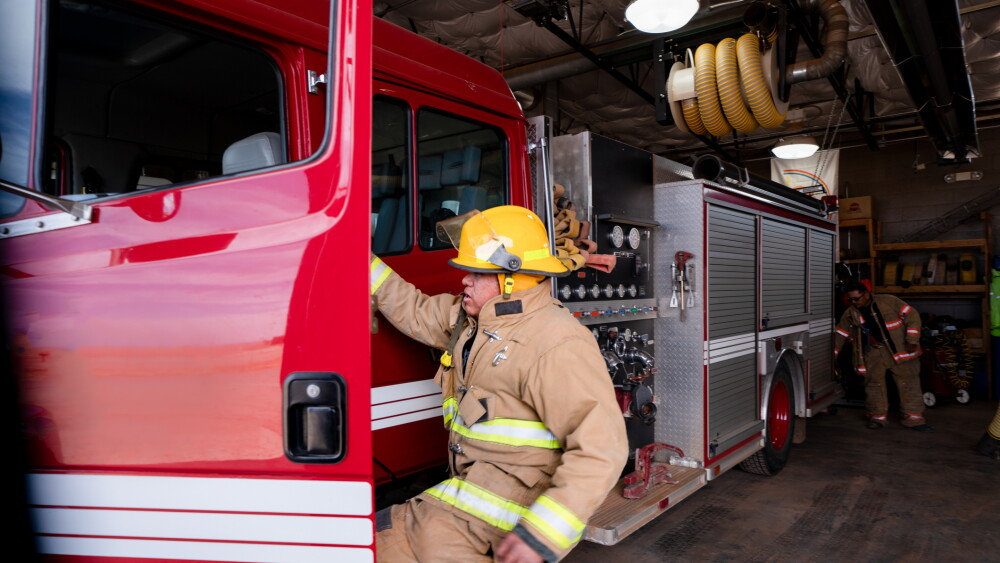
Introduction
Every second matters when firefighters respond to an emergency. Whether it is a house fire, a highway accident, or a medical emergency, quick communication can save lives. The way emergency crews receive alerts has changed greatly over the years. Traditional methods such as bells, sirens, radios, and overhead speakers once served as the primary way to notify firefighters. While these methods helped departments for decades, modern technology has introduced faster and more reliable solutions.
A fire station alerting system is designed to deliver emergency notifications instantly and accurately throughout the station. Instead of relying on loud alarms alone, today’s systems combine visual displays, voice announcements, automated dispatch integration, mobile notifications, and smart building controls. These improvements reduce response times, improve firefighter safety, and make emergency operations more efficient.
Understanding the differences between modern alerting technology and traditional methods helps fire departments make informed decisions when upgrading their communication systems. This guide explains how each approach works, compares their strengths and weaknesses, and highlights why advanced emergency notification systems have become an essential investment for today’s fire services.
How Traditional Fire Station Alert Methods Work
For many years, fire departments depended on simple but effective alerting tools. When an emergency call arrived, dispatchers activated bells, horns, or sirens inside the station. Firefighters quickly gathered their equipment, listened to radio communications, and prepared to respond.
Traditional alert systems often relied on manual communication. Dispatchers repeated incident details over loudspeakers or two-way radios while firefighters listened carefully for addresses and response instructions. Some stations also used pagers that notified personnel when they were away from the building.
Although these methods worked reasonably well for decades, they also created challenges. Loud station-wide alarms could wake every firefighter, even those not assigned to the incident. Background noise sometimes made radio messages difficult to understand, especially during severe weather or busy station activities. Human error during verbal communication could also lead to misunderstandings about locations or incident types.
Another limitation involved response consistency. Older systems generally alerted everyone in the building at once rather than targeting only the required response team. This interrupted rest periods, reduced sleep quality during overnight shifts, and contributed to long-term firefighter fatigue.
Traditional systems also offered limited integration with modern emergency communication networks. Information often had to be repeated several times before firefighters fully understood the situation, increasing valuable response time.
Despite these disadvantages, many volunteer departments and smaller municipalities continue using traditional alert methods because of their lower installation costs and familiarity.
What Makes a Modern Fire Station Alerting System Different
A modern fire station alerting system goes far beyond sounding an alarm. It connects directly with computer-aided dispatch software, allowing emergency information to move automatically from dispatch centers to firefighters within seconds.
When an emergency call is received, the system immediately activates multiple communication channels at the same time. Large display screens show addresses, maps, call types, and unit assignments. Voice announcements clearly deliver dispatch information using high-quality speakers. Color-coded lighting guides response crews while minimizing unnecessary disruption to sleeping firefighters.
Many systems automatically open apparatus bay doors, activate station lighting, adjust HVAC equipment, and prepare response vehicles before firefighters even reach the trucks. Some platforms also send alerts directly to smartphones, tablets, wearable devices, and mobile applications, ensuring responders receive information regardless of their location.
Modern alerting technology reduces confusion because every firefighter receives the same accurate information simultaneously. Automated data transfer removes many manual steps that previously depended on dispatcher repetition.
Advanced systems also include backup communication paths. If one network experiences a problem, redundant communication channels continue delivering emergency notifications without interruption. This increased reliability becomes especially important during natural disasters, power outages, or large-scale emergencies.
Many departments also benefit from centralized management tools that monitor equipment status, maintain communication logs, and generate performance reports for continuous improvement.
Comparing Speed, Accuracy, and Reliability
One of the biggest differences between traditional alert methods and a modern fire station alerting system is response speed. Traditional communication often depends on manual voice announcements, requiring dispatchers to repeat important information. Every additional second can delay emergency response.
Modern systems automate this process by instantly distributing complete dispatch information across multiple devices. Firefighters receive addresses, incident descriptions, mapping data, and response instructions within moments of call activation.
Accuracy also improves significantly. Human communication naturally introduces the possibility of mistakes. Incorrect street names, misunderstood radio transmissions, or incomplete information may create confusion before crews even leave the station.
Digital alerting systems eliminate much of this risk by transferring dispatch information directly from emergency communication software. Since the information appears on visual displays and audio announcements simultaneously, firefighters can quickly confirm important details before responding.
Reliability represents another major improvement. Older systems may depend heavily on radio reception, speaker quality, or manual dispatcher communication. Technical failures or poor audio quality can interfere with emergency alerts.
Today’s integrated emergency notification platforms use multiple communication methods together. Visual displays support voice announcements, mobile notifications provide remote access, and network redundancy helps ensure continuous operation even if one communication channel experiences problems.
These improvements allow departments to maintain dependable emergency communication during both routine incidents and large-scale emergencies.
Safety, Efficiency, and Long-Term Benefits for Fire Departments
Improving firefighter safety remains one of the primary reasons departments invest in modern station alerting technology. Traditional station-wide alarms often expose everyone in the building to sudden loud noises regardless of whether they are responding. Repeated exposure can increase stress levels and interrupt essential rest periods.
Modern systems use selective alerting techniques that notify only the assigned response crews. Carefully controlled lighting, targeted voice announcements, and quieter notification methods reduce unnecessary disturbances while maintaining rapid response capabilities.
Operational efficiency also improves across the entire department. Automated dispatch integration removes repetitive manual tasks, allowing dispatch personnel to focus on coordinating emergency resources instead of repeatedly transmitting information.
Many systems integrate with station infrastructure as well. Apparatus bay doors open automatically, interior lighting adjusts based on response conditions, traffic warning systems activate outside the station, and ventilation equipment prepares vehicle bays before engines leave the building. These automated actions streamline operations while reducing safety risks.
Training becomes easier because standardized communication reduces confusion during emergency responses. New firefighters quickly learn consistent procedures since every dispatch follows the same notification process.
From a management perspective, digital reporting tools provide valuable performance data. Departments can measure turnout times, analyze response trends, identify communication improvements, and support budget planning with measurable operational statistics.
Although installation costs are generally higher than traditional alert methods, many departments find that improved efficiency, reduced maintenance, lower communication errors, and enhanced firefighter wellness provide strong long-term value.
As emergency response expectations continue to grow, investing in advanced communication infrastructure helps departments prepare for future technological advancements while improving current operations.
Choosing the Right Alerting Solution for the Future
Every fire department has different operational needs. Small volunteer agencies may require affordable systems that support limited staffing, while large metropolitan departments often need highly integrated communication platforms capable of coordinating multiple stations simultaneously.
When evaluating options, decision-makers should consider dispatch software compatibility, system reliability, scalability, maintenance requirements, cybersecurity protections, user training, and long-term support services. Choosing a flexible platform allows departments to expand features as community needs grow.
Cloud-based technologies continue to improve emergency communications by enabling remote monitoring, automatic software updates, and enhanced disaster recovery capabilities. Artificial intelligence may further improve dispatch accuracy by assisting with incident prioritization, routing, and resource allocation in the future.
Departments should also evaluate interoperability with neighboring agencies. Shared communication standards help improve coordination during mutual aid responses and regional emergencies.
Cybersecurity has become increasingly important as emergency communication systems rely more heavily on network connectivity. Strong encryption, secure authentication, regular software updates, and continuous monitoring help protect critical infrastructure from potential cyber threats.
Community expectations also influence technology decisions. Citizens expect emergency responders to arrive quickly with accurate information. Investing in advanced communication technology supports faster response times while helping departments meet growing public safety demands.
As technology continues evolving, modern alerting systems will likely become even more intelligent, connected, and automated. Departments that invest in adaptable communication platforms today position themselves for continued success in the years ahead.
Conclusion
The differences between traditional alert methods and a modern fire station alerting system are clear. While bells, sirens, radios, and manual announcements served fire departments well for many years, today’s emergency response environment demands faster, more accurate, and more reliable communication.
Modern systems improve dispatch speed, reduce communication errors, enhance firefighter safety, support automated station operations, and provide valuable performance insights. They also minimize unnecessary disruptions, improve coordination, and help departments respond more effectively during both everyday emergencies and large-scale incidents.
Although traditional alert methods may still meet the needs of some smaller departments, advanced alerting technology offers significant operational advantages that align with today’s public safety expectations. As emergency communication continues to evolve, investing in a reliable fire station alerting system represents not only a technological upgrade but also a commitment to protecting firefighters, improving response performance, and serving communities more effectively for years to come.