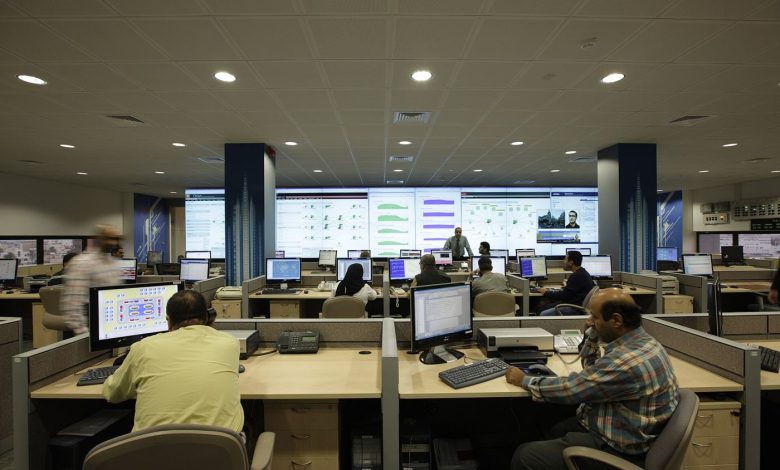
Security teams are paying closer attention to how accounts normally behave, because a correct password entered in an unusual way is often the first sign of trouble. Behaviour baselines record typical patterns for a user or service account, such as usual working hours, common locations, familiar devices and the systems normally visited in a session. When a login succeeds but the pattern breaks sharply, perhaps at an odd hour from a new country followed by rapid access to sensitive files, analysts can step in quickly, challenge the session or suspend it while they check. This approach catches attacks that simple password checks miss, including stolen credentials and hijacked sessions bought from criminals. It also reduces noise when tuned carefully, since staff who travel or work flexible hours should not trigger constant alarms for ordinary behaviour. Privacy and fairness need thought, because behavioural monitoring can feel intrusive if employers collect more than security requires. Well-run programmes limit data to login and access patterns, explain the purpose to staff and review alerts with human judgement rather than automatic punishment. Done proportionately, baselines give defenders an earlier, clearer signal in a crowded stream of routine events.
What the Evidence Shows
Building a useful baseline takes patience. Systems need several weeks to learn seasonal patterns, project peaks and legitimate exceptions such as year-end reporting, and analysts must feed back which alerts were genuine so the models improve. Attackers adapt, sometimes moving slowly to look normal, which is why teams combine behaviour signals with device health, network reputation and the sensitivity of what is being accessed. A mild anomaly on a low-risk system may only be logged, while the same anomaly aimed at finance records prompts an immediate call to the user. Regular testing, where simulated attacks are run against the detection system, shows whether alerts would actually be noticed and acted on in time. The goal is not perfect prediction but faster, better-informed decisions that contain an intrusion before it becomes a breach. Smaller organisations can adopt a lighter version through their identity provider, starting with impossible travel and unusual hour alerts before investing in fuller behavioural tools as their security maturity and staffing gradually grow. Reporting and analysis from sources such as Wired track the same developments, and specialists following behaviour baselines for unusual logins say the direction is now consistent across independent lines of evidence.
The Wider Context
The wider context is an industry learning to ship capability and restraint together. Products built around behaviour baselines for unusual logins now launch with safety evaluations, usage data and rollback plans as standard, because enterprise buyers and regulators ask for them in the first meeting. Companies that treated those questions as friction are discovering they have become the purchase criteria.
What Happens Next
What happens next for behaviour baselines for unusual logins depends less on another breakthrough than on the unglamorous work of reliability, pricing and support. The buyers evaluating it now are not enthusiasts; they are operators with budgets and auditors, and their checklists will decide the timeline. On the evidence of the current pilots, the technology has earned the right to be judged by them. You can follow related developments in our coverage of technology.
None of this will be settled by a single announcement, study or product launch. The pattern to watch is accumulation: independent confirmations, honest reporting of failures and steady improvement in the underlying numbers. Readers who follow those signals, rather than the loudest claim of the week, will understand this subject better than most of the commentary surrounding it suggests is possible.