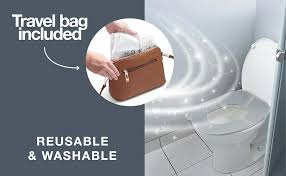
Travelling often means adjusting to unfamiliar facilities, changing schedules, and limited access to everyday conveniences. Whether you are commuting to work, taking a road trip, flying to another city, or spending a day exploring a new destination, public restrooms are an unavoidable part of the journey.
Although airports, hotels, railway stations, shopping centres, and highway stops provide shared bathroom facilities, their cleanliness and available supplies can vary. For people who prefer an additional barrier between themselves and a public toilet seat, portable toilet seat covers can be a practical addition to a travel hygiene kit.
The right product should be easy to carry, simple to use, and clearly labelled with appropriate disposal instructions. Understanding these details helps travellers choose products that suit their routines without adding unnecessary bulk to their luggage.
Why Travel Hygiene Deserves Attention
Travel can disrupt familiar hygiene routines. Long journeys may involve multiple restroom stops, limited access to running water, crowded facilities, and unexpected delays. These conditions make it useful to prepare a small collection of personal hygiene essentials before leaving home.
A practical travel hygiene kit may include hand sanitiser for situations where handwashing facilities are temporarily unavailable, tissues, personal wipes, menstrual products, and a few disposable toilet seat covers.
The contents will vary depending on the length of the trip, the destination, and individual needs. Someone travelling for a few hours may require only a compact pouch, while a longer holiday may call for additional supplies.
The purpose of preparation is not to assume that public restrooms are unsafe. It is to make everyday hygiene more convenient when facilities and supplies are unfamiliar.
What Are Portable Toilet Seat Covers?
Portable toilet seat covers are lightweight, single-use sheets placed over a toilet seat before use. They create a temporary physical barrier between the user and the seat surface.
Depending on the product, they may be made from paper or other materials designed for disposable use. Some are intended for disposal in a waste bin, while others are specifically designed and labelled as flushable.
Their compact size makes them convenient for people who prefer to carry personal hygiene essentials rather than rely entirely on supplies available in public restrooms.
Disposable Flushable Toilet Seat Covers can be particularly convenient when the product’s instructions allow flushing after use. However, the word “disposable” does not automatically mean “flushable.” Travellers should check the packaging and follow the manufacturer’s disposal guidance.
What to Look for When Choosing Portable Toilet Seat Covers
1. Compact and Lightweight Packaging
When packing for a trip, every item competes for limited space. Bulky hygiene products can quickly fill a handbag, backpack, or carry-on bag.
Look for seat covers supplied in compact packaging that fits easily into a travel pouch. Individually wrapped covers may also help keep unused sheets separate from other items in a bag.
For daily commuters, a small pack may be sufficient. For a longer journey involving multiple restroom stops, carrying a few additional covers can provide more flexibility.
2. Suitable Size and Coverage
A toilet seat cover should provide suitable coverage for its intended use. If the sheet is too small or positioned incorrectly, parts of the seat may remain uncovered.
Review the manufacturer’s product dimensions and usage instructions where available. Product images may also help you understand the shape and intended fit.
Remember that toilet seat designs can differ between locations. A portable cover should be viewed as a convenience item rather than a guarantee that it will fit every toilet perfectly.
3. Clear Material Information
The material affects how a cover feels, how it is handled, and how it should be disposed of.
Some covers are made from paper-based materials, while others may contain coatings or synthetic components. A product’s appearance alone does not establish whether it is suitable for flushing.
Choose products that clearly explain their intended use and material characteristics. If the manufacturer does not provide enough information about disposal, avoid assuming that the cover can be flushed.
4. Clearly Stated Disposal Instructions
Disposal is one of the most important considerations when choosing a portable seat cover.
Some disposable covers should be placed in a waste bin. Others are designed for flushing under specified conditions. Follow the instructions provided with the particular product and respect any restrictions displayed in public restrooms.
Even a product labelled flushable should be used according to its directions. Plumbing systems vary, and a product’s disposal claims should not be interpreted as a guarantee of compatibility with every toilet or drainage system.
When flushability is unclear, use an appropriate waste bin.
5. Ease of Use
A travel hygiene product should be straightforward to use, especially when you are in a busy airport, railway station, or roadside restroom.
Consider whether the cover can be removed from its packaging easily, unfolded without unnecessary handling, and positioned on the seat without difficulty.
Simple packaging and clear instructions can make a small but meaningful difference when you are managing luggage, children, or a tight travel schedule.
When Can Portable Toilet Seat Covers Be Useful?
Airports and Railway Stations
Travellers often use multiple restrooms during long journeys. Keeping a few covers in a handbag or backpack can provide a convenient option when a facility does not have seat covers available.
Road Trips and Highway Stops
Roadside facilities vary in design and maintenance. A small personal hygiene kit can be useful when stopping at unfamiliar service stations, restaurants, or public facilities along the route.
Hotels and Holiday Accommodation
Hotels generally provide private bathrooms, but travellers may still encounter shared facilities in lobbies, transport terminals, sightseeing locations, or common areas. Portable covers can be useful for those who prefer carrying their own hygiene supplies.
Work Trips and Daily Commuting
People who travel between offices, attend meetings at different locations, or commute for extended periods may benefit from keeping a compact hygiene kit in a work bag.
The key is to select items that fit naturally into the routine rather than carrying unnecessary supplies.
Building a Practical Travel Hygiene Kit
A useful travel kit does not need to be complicated. Start with the essentials and adjust the contents to suit the trip.
- Portable toilet seat covers: An optional barrier for shared restroom visits.
- Tissues: Useful when facilities have limited paper supplies.
- Hand sanitiser: A backup when soap and water are temporarily unavailable. It does not replace handwashing when that is possible.
- Menstrual products: Carry enough for the journey, with extra supplies for unexpected delays.
- A small disposal pouch: Useful for personal waste that cannot be flushed and must be carried until an appropriate bin is available.
- Personal medication and essential items: Include only what is appropriate for your needs and destination.
Keep clean items separate from used products. A dedicated pouch can make it easier to find supplies quickly and prevent unused covers from coming into contact with other belongings.
Menstrual Hygiene While Travelling
Travel planning can be particularly important during menstruation. Long journeys, unfamiliar restroom facilities, and unexpected schedule changes may make it harder to access preferred menstrual products.
Before travelling, consider the expected duration of the journey, the availability of restroom stops, and your usual flow. Carry the menstrual products you are comfortable using, along with any additional supplies you may need.
People who use reusable products should plan for appropriate cleaning and storage facilities. Those who prefer disposable options may find it convenient to carry a few extras.
Products such as disposable menstrual underwear may also be considered by travellers who want an additional option for managing menstrual flow. Suitability, absorbency, intended wear time, and disposal instructions vary by product, so check the manufacturer’s guidance before relying on any item during a long journey.
Toilet seat covers and menstrual products serve different purposes. Seat covers provide a temporary layer over a toilet seat, while menstrual products are designed to manage menstrual flow. Including both in a travel hygiene kit may be useful for some travellers, but neither replaces basic hand hygiene.
Are Flushable Toilet Seat Covers Better for Travel?
Flushable covers can offer disposal convenience when they are specifically designed and labelled for flushing. They may reduce the need to handle a used cover after use, which some travellers find practical.
However, flushable does not automatically mean environmentally harmless, biodegradable, or suitable for every plumbing system. These terms describe different characteristics and should be evaluated separately.
Before choosing a flushable product, check:
- Whether the manufacturer explicitly identifies it as flushable.
- The recommended disposal method.
- Any restrictions on use or disposal.
- Whether the restroom displays instructions against flushing certain products.
If the cover is not clearly labelled as flushable, or if the facility prohibits flushing it, place it in an appropriate waste bin.
Responsible disposal helps prevent unnecessary plumbing issues and keeps shared facilities usable for other people.
Exploring Flawsome Flushable Toilet Seat Covers
Travellers looking for a compact toilet seat cover can review Flawsome Flushable Toilet Seat Covers to understand the product’s listed features and intended use.
When assessing any travel hygiene product, check the current product page for details such as packaging, available quantities, material information, and disposal instructions. These details help determine whether the product is a suitable fit for a handbag, office bag, or travel kit.
As with all disposable hygiene products, follow the manufacturer’s instructions and any restrictions posted at the restroom. A seat cover can provide a convenient temporary barrier, but it does not replace proper cleaning or handwashing.
Common Mistakes to Avoid When Packing Travel Hygiene Essentials
Assuming Every Disposable Product Is Flushable
Disposable means intended for single use, not necessarily toilet disposal. Always check the product instructions before flushing a cover or any other hygiene item.
Packing Too Few Supplies
Travel delays and unexpected changes can extend a journey. Consider carrying a reasonable backup supply of the products you rely on, particularly when travelling for several hours.
Forgetting Hand Hygiene
A seat cover does not replace handwashing. Wash your hands with soap and water after using the restroom. If those facilities are unavailable, hand sanitiser can serve as a temporary alternative until proper handwashing is possible.
Relying on Broad Environmental Claims
Terms such as “eco-friendly,” “biodegradable,” and “flushable” are not interchangeable. Look for specific product information and follow disposal instructions rather than assuming that one claim establishes all the others.
Overpacking Unnecessary Items
A travel kit should make the journey easier, not take up valuable space. Choose supplies based on your travel duration, destination, and personal requirements.
Frequently Asked Questions
Should I carry toilet seat covers when travelling?
They are optional, but they may be useful if you prefer a temporary barrier when using shared restrooms. Compact packaging can make them easy to carry.
Are all disposable toilet seat covers flushable?
No. Some are designed for flushing, while others should be placed in a waste bin. Check the manufacturer’s instructions.
Can I keep toilet seat covers in my handbag?
Yes. Keeping unused covers in a clean, dry pouch can make them easy to access during daily commutes and longer journeys.
Do toilet seat covers replace handwashing?
No. They provide a physical layer over the toilet seat but do not replace handwashing or other hygiene practices.
What else should I carry for menstrual hygiene during travel?
Consider carrying your preferred menstrual products, a few extras, tissues, and a suitable disposal pouch. Choose supplies according to the length of the trip and your individual needs.
Conclusion
A well-planned travel hygiene kit can make journeys more convenient by keeping essential supplies within easy reach. Portable toilet seat covers are one option for people who prefer an additional barrier when using shared restrooms, particularly during long commutes, road trips, flights, and holidays.
When choosing a cover, prioritise compact packaging, suitable coverage, clear material information, and explicit disposal instructions. Never assume that a product is flushable simply because it is disposable.
Pair personal hygiene products with regular handwashing, sensible preparation, and responsible waste disposal. These simple habits can help make restroom visits more manageable while travelling, without adding unnecessary complexity to your routine.