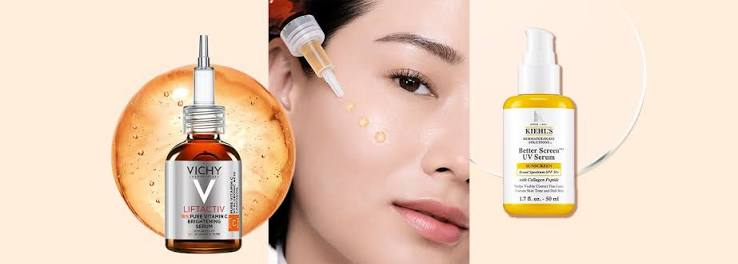
Dullness and uneven skin tone are common skincare concerns that can affect the appearance of your complexion. Skin may look tired, feel rough, or develop areas of discolouration due to sun exposure, dehydration, accumulated dead skin cells, or post-acne marks. While these concerns can have different causes, choosing suitable skincare ingredients can help improve the appearance of your skin over time.
A well-formulated serum can complement your daily skincare routine by delivering ingredients that target specific concerns. However, not every brightening ingredient works in the same way. Some support hydration, others help improve uneven pigmentation, and certain ingredients protect the skin against environmental stressors.
Understanding these differences makes it easier to choose a product that suits your skin type and skincare goals.
What Causes Dull and Uneven Skin?
Before choosing a serum, it helps to understand why your skin may appear less radiant than usual.
Dehydration: When skin lacks sufficient moisture, it can appear rough, tight, and less luminous. Hydrating ingredients can help improve its appearance.
Sun exposure: Ultraviolet radiation contributes to uneven pigmentation, dark spots, and premature skin ageing. Consistent sun protection is essential when addressing these concerns.
Dead skin cell accumulation: A buildup of dead cells on the skin’s surface can contribute to rough texture and a dull appearance.
Post-acne marks: After a breakout heals, discolouration may remain, making the overall complexion appear uneven.
Environmental stressors: Pollution and other environmental exposures can contribute to oxidative stress, which may affect the skin’s appearance over time.
Since dullness and uneven tone are not always caused by the same factors, selecting ingredients based on your primary concern is more useful than choosing a serum based solely on its marketing claims.
1. Vitamin C for Brighter-Looking Skin
Vitamin C is one of the most widely recognised skincare ingredients for improving the appearance of dullness and uneven skin tone. It is an antioxidant that helps protect the skin against oxidative stress and can support a brighter-looking complexion.
Topical vitamin C may also help reduce the appearance of certain dark spots with consistent use. Its effectiveness depends on the form of vitamin C, its concentration, the overall formulation, and how well the product remains stable.
When choosing a vitamin C serum, look for clear ingredient information and packaging that helps protect the formula from light and air. Pure ascorbic acid is one option, while vitamin C derivatives may offer different formulation and tolerability characteristics.
Introduce the product gradually, especially if you have sensitive skin. Applying vitamin C in the morning before moisturiser and sunscreen is a common approach, although product instructions should always guide usage.
2. Niacinamide for Uneven Skin Tone
Niacinamide, also known as vitamin B3, is a versatile ingredient that supports the skin barrier and can help improve the appearance of uneven tone, redness, and excess oil.
It works differently from vitamin C. Rather than acting primarily as an antioxidant, niacinamide supports several skin functions, including barrier maintenance. It may also help reduce the appearance of certain pigmentation concerns when used consistently.
This ingredient can be particularly useful for people who want to address multiple concerns without building an overly complicated routine.
Niacinamide is available in a wide range of formulations and concentrations. Higher concentrations are not automatically better, and some people may experience irritation from products that do not suit their skin.
If you are introducing niacinamide for the first time, start with a suitable formulation and observe how your skin responds before adding other active ingredients.
3. Hyaluronic Acid for Hydration and Radiance
Sometimes, dull-looking skin is related more to dehydration than pigmentation. In these cases, hyaluronic acid can be a useful ingredient to consider.
Hyaluronic acid is a humectant, meaning it helps attract and retain water. By supporting hydration, it can make the skin appear smoother and temporarily plumper, helping fine lines associated with dryness look less noticeable.
It does not directly remove pigmentation or replace a targeted brightening ingredient. Instead, its role is to support moisture levels and improve the appearance of skin texture.
For best results, follow the product’s application instructions and use a suitable moisturiser afterwards to help maintain hydration.
Hyaluronic acid can fit into routines for many skin types, including oily skin that needs hydration without a heavy finish.
4. Alpha Hydroxy Acids for Smoother Texture
Alpha hydroxy acids, commonly called AHAs, include glycolic acid and lactic acid. These ingredients help loosen the bonds between dead skin cells on the surface, supporting exfoliation and improving the appearance of rough texture.
Glycolic acid is often used to address uneven texture and the appearance of dullness. Lactic acid can provide exfoliating benefits while also offering humectant properties.
However, exfoliating acids require careful use. Applying them too frequently or combining multiple strong exfoliants may cause irritation, dryness, and increased skin sensitivity.
Choose a formulation appropriate for your skin and follow its directions. Sensitive skin may require a gentler approach, and people experiencing persistent irritation should prioritise barrier care rather than stronger exfoliation.
Daily sunscreen is especially important when using exfoliating products, as protecting the skin helps reduce further sun-related damage.
5. Retinoids for Texture and Visible Signs of Ageing
Retinoids are vitamin A derivatives commonly used to address concerns such as acne, uneven texture, and visible signs of ageing. Depending on the formulation, they can support skin cell turnover and gradually improve the appearance of certain pigmentation concerns.
Retinoids are not necessarily the first ingredient everyone needs for radiance. They may be useful when dullness occurs alongside persistent texture concerns, fine lines, or acne-related issues.
Because these ingredients can cause dryness and irritation, begin with an appropriate formulation and introduce it gradually. Avoid combining several potentially irritating active ingredients without understanding their compatibility and your skin’s tolerance.
Retinoids are generally avoided during pregnancy. If you are pregnant, planning pregnancy, breastfeeding, or managing a skin condition, consult a qualified healthcare professional about suitable options.
6. How to Choose a Serum That Fits Your Skin
The best serum for dull and uneven skin depends on the concern you want to address.
If your complexion looks dull and you are concerned about dark spots, an appropriately formulated antioxidant or brightening serum may be worth considering. If dehydration makes your skin appear tired, prioritise hydration. If rough texture is the main concern, a carefully selected exfoliating product may be more relevant.
You can explore a radiance serum from World of Asaya when researching options for your skincare routine. Before purchasing, review the product details, ingredient list, directions, and suitability for your individual needs.
Do not assume that every serum contains vitamin C, niacinamide, or hyaluronic acid simply because it is marketed for radiance. Check the actual formulation instead of relying on the product category alone.
A useful skincare routine does not need to include every popular ingredient. Often, choosing a few compatible products that address your main concerns is more practical than layering numerous active formulations.
7. Build a Routine That Supports Long-Term Results
Even a well-chosen serum works best as part of a consistent skincare routine.
In the morning, use a gentle cleanser, apply your chosen serum according to its directions, moisturise, and finish with broad-spectrum sunscreen of SPF 30 or higher.
In the evening, cleanse your skin to remove sunscreen, makeup, excess oil, and impurities. Apply suitable treatment products and follow with moisturiser.
Avoid introducing several new products at once. Gradually incorporating one product at a time makes it easier to assess your skin’s response and identify possible irritation.
Results vary depending on the ingredients, formulation, skin type, and underlying concern. Hydration may improve the appearance of skin relatively quickly, whereas changes in pigmentation can take several weeks or longer.
If discolouration persists, worsens, or appears suddenly, consider consulting a dermatologist rather than relying exclusively on cosmetic products.
Final Thoughts
Choosing the right ingredients is an important step towards improving the appearance of dull and uneven skin. Vitamin C may help address dullness and certain dark spots, niacinamide supports the skin barrier and more even-looking tone, hyaluronic acid improves hydration, and exfoliating acids can help refine surface texture.
The key is to identify your primary concern, select suitable formulations, and use them consistently without overwhelming your skin.
If you are exploring targeted skincare options, the Glow Forward Radiance Serum by World of Asaya is one product to investigate as part of your search for a radiance-focused routine. Review its formulation and usage instructions to determine whether it aligns with your skincare needs.
Ultimately, healthy-looking radiance comes from a combination of appropriate skincare, regular sun protection, hydration, and patience. Rather than chasing instant results, focus on building a simple routine that supports your skin over time.