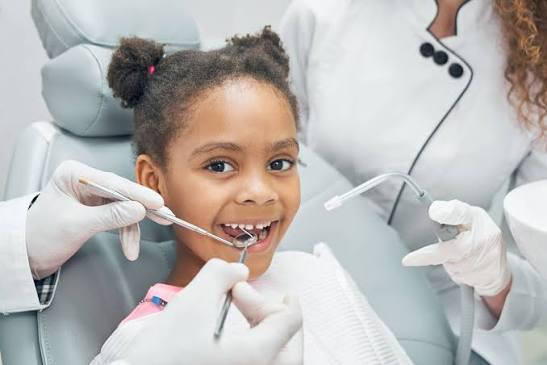
It usually starts with a small surprise. A loose tooth shows up at dinner, your child feels a new tooth poking through behind a baby tooth, or they ask why their smile suddenly looks different in photos. You may be trying to stay calm while sorting through questions you did not expect all at once, and a trusted dentist in Corona, CA can help explain what is happening. Is this normal, is it early, is it late, should that tooth look like that?
The shift from baby teeth to adult teeth can feel bigger than it sounds. Children notice every change in their mouths, and many of them feel uneasy when a tooth wiggles, falls out, or grows in at an odd angle. Parents often carry the other side of that stress, which is trying to tell the difference between a normal stage and something that needs care. A family dentist helps make that stage easier to understand, easier to monitor, and less scary for everyone involved.
How Family Dentists Help Children Understand Changes From Primary To Permanent Teeth comes down to clear explanations, regular checks, and calm support. A good dental visit does more than look for cavities. It gives your child language for what is happening, shows you what normal development looks like, and catches problems before they become painful or expensive.
Family dentists turn a confusing stage into something children can follow
Children do better when they know what is happening to their bodies. Teeth are no different. When a child feels a tooth moving, they may worry it will hurt, bleed too much, or never grow back. Some children get excited at first, then panic when the gum looks swollen or the new tooth erupts before the baby tooth has fallen out.
A family dentist can explain the sequence in simple terms. Baby teeth loosen because the permanent teeth underneath are moving up. Gums can look puffy. A little tenderness is common. Eruption does not always happen in a perfect order, and many smiles go through an awkward stage before they settle into place.
This kind of reassurance matters because children often imagine the worst when they do not understand a change. A calm explanation during a routine visit can replace fear with curiosity. That is one of the strongest benefits of guiding kids through baby teeth to adult teeth with professional support instead of waiting until a problem appears.
Regular family dental care helps spot normal changes and true concerns
Not every odd looking tooth is a problem, but some are. That is where parents often get stuck. A permanent tooth coming in behind a baby tooth may be a normal temporary stage, or it may need closer attention if the baby tooth is not loosening. Delayed tooth loss can be harmless, but it can also point to crowding or eruption issues.
A family dentist watches patterns over time. That matters more than a single glance in the bathroom mirror. They can tell whether spacing is expected, whether jaw growth seems on track, and whether habits like thumb sucking or mouth breathing may affect alignment. They also help children understand why brushing matters more once permanent teeth arrive, because those teeth are meant to last for life.
Parents looking for trusted basics can review the American Academy of Pediatric Dentistry parent FAQs, the CDC oral health tips for children, and MedlinePlus guidance on child dental health. Those resources support what family dental teams explain in the office, which is that prevention and early guidance usually make this stage much smoother.
Children respond better when dental explanations match their age and emotions
A five year old and a ten year old do not need the same conversation. Younger children often need simple, concrete explanations. Your new tooth is pushing the baby tooth out. The gum may feel funny for a few days. A school age child may want more detail, especially if classmates are losing teeth faster or slower than they are. They may compare their mouth to everyone around them and assume something is wrong.
Family dentists are used to that comparison trap. They can explain that tooth eruption timelines vary, and that one child losing teeth at six while another starts closer to seven can still fall within a healthy range. They can also address the emotional side. Some children hate the sensation of loose teeth. Others refuse to chew on one side. Some become embarrassed by gaps or larger front teeth. A steady, matter of fact explanation helps them feel less self conscious.
Home observation and professional evaluation serve different purposes
| Situation | What you can watch at home | When a family dentist adds value |
| Loose baby tooth | Mild tenderness, small amount of bleeding, gradual loosening | If pain is strong, the tooth is stuck for a long time, or your child avoids eating |
| Permanent tooth erupting behind a baby tooth | See if the baby tooth starts loosening soon | If the baby tooth stays firm or crowding seems to worsen |
| Gaps between teeth | Common during growth and mixed dentition | If spacing comes with bite issues or speech concerns |
| Delayed tooth loss | Track timing and compare both sides of the mouth | If one side is far behind, or your child is well outside the expected range |
| New permanent teeth look larger or yellower | This is often normal compared with baby teeth | If enamel looks damaged, spotted, or your child has sensitivity |
This is where family dental care for children’s changing teeth makes a real difference. You can monitor day to day changes at home, but a dentist sees development in the larger context of growth, bite, hygiene, and long term oral health.
Three steps you can take right away
1. Name the change without making it dramatic. If your child says a tooth feels weird, answer with calm facts. Tell them loose teeth, sore gums, and new teeth coming in are part of growing up. Keep your tone steady. Children borrow your reaction.
2. Build a simple routine around mixed dentition. When baby teeth and permanent teeth are both present, brushing can get sloppy because the mouth feels tender or unfamiliar. Use a soft brush, help with brushing at night, and pay extra attention to newly erupted permanent molars. A family dentist can show your child how to clean around changing teeth without discomfort.
3. Track changes and schedule regular exams. Take note of loose teeth, delayed eruption, crowding, or pain that lasts more than a few days. Photos can help you notice patterns. Regular visits give you a clear sense of what is normal for your child, not just what seems normal online.
Steady guidance makes tooth changes easier for children and parents
Your child does not need a perfect timeline or a perfect smile to be healthy. They need clear explanations, steady care, and someone who can tell the difference between a normal stage and a problem worth addressing. That is the quiet value of a family dentist during these years. They lower fear, answer questions early, and help children understand that changing teeth are not something happening to them out of nowhere. They are a normal part of growing.
If your child is starting to lose baby teeth, getting permanent teeth, or showing changes that leave you unsure, schedule a visit with a family dentist and get clear guidance before small worries turn into bigger ones.