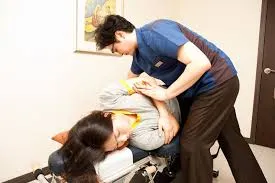
That morning twinge, pain, or stiffness isn’t a sign of aging; it’s a symptom of habits that require timely correction.
During sleep, your neck should rest in a neutral position that totally allows muscles, ligaments, and spinal joints to recover from the day’s strain. When this natural alignment is disturbed, tissues remain under stress for hours, leading to pain and restricted movement when you wake up.
Let’s uncover it!
Why is my neck so stiff in the morning?
If you wake up with a stiff neck, it’s usually because of how you slept or the things you do every day. This is why it happens:
- Poor Sleeping Posture: Sleeping on your stomach or with your neck at an awkward angle strains the cervical muscles and ligaments overnight.
- The Wrong Pillow: If your pillow is too high or too flat, it won’t support the natural curve of your spine, which can make your muscles tired.
- Sudden Movements: Rapid posture changes during deep sleep may cause minor muscle strain or nerve discomfort.
- Pre-existing Strain: “Tech neck” from looking down at phones during the day often manifests as acute stiffness the following morning.
- Temperature: Cold air from a fan or AC can cause muscles to contract and tighten.
- Stress: Persistent anxiety can trigger involuntary jaw clenching and upper body tension during rest.
How do I know my neck pain is serious?
Most neck pain goes away on its own, but some “red flag” signs mean you should see a doctor right away:
- Neurological Deficits: Numbness, tingling, or a “pins and needles” sensation radiating down your arms or into your fingertips.
- Loss of Strength: An abrupt loss of hand strength impacting functional tasks including gripping, lifting, typing, and object handling.
- Severe Trauma: Injury-related pain caused by forceful incidents, including falls, contact sports injuries, or traffic accidents.
- Systemic Symptoms: Co-occurring high fever, chills, unexplained weight loss, or an excruciating headache.
- Structural Changes: New, localized lumps or significant swelling in the neck area.
- Functional Issues: Sharp pain that prevents you from touching your chin to your chest, which could signal meningitis.
- Persistence: Pain that remains intense and constant despite rest and over-the-counter treatment.
How Does a Cervical Neck Pillow Provide Essential Neck Support?
A cervical pillow is crafted to maintain the natural alignment of your spine. Here is how it provides essential support:
- Anatomical Contouring: The special saddle shape gently holds your head, while the raised edge supports your neck.
- Neutral Alignment: Maintains safe cervical alignment, avoiding the excessive bending that is often caused by standard pillows.
- Pressure Distribution: Just by spreading weight evenly, it reduces “hot spots” and minimizes strain on sensitive joints and ligaments.
- Muscle Relaxation: Proper elevation allows neck muscles to fully deactivate, promoting deeper recovery during sleep.
- Positional Stability: The design keeps you from shifting into awkward or risky positions that tend to make you feel stiff in the morning.
Which is the Best Cervical Pillow for Spondylosis Sufferers?
The best cervical pillow for spondylosis depends on your condition’s severity and sleeping position:
- Memory Foam Contoured: Mostly suitable for back sleepers, offering firm and gentle support for the cervical curve.
- Adjustable Water-Based: Allows you to change the height and firmness based on your comfort to relieve pressure on your joints.
- D-Core Pillows: Has a central hollow that is meant to cradle your head and support the neck’s natural curve.
Key Features to Look for in a Neck Support Pillow
A good cervical spondylosis pillow is a vital aid that determines whether you heal effectively or not in the recovery phase. Also, considering certain features and factors while searching for your cervical pain relief pillow contributes to it. Now, the following are features that should be at the top of your list:
- Contoured Design: A “valley” for your head and a “roll” for your neck to ensure alignment.
- Firmness Level: Medium-firm materials such as memory foam prevent the head from sinking too deeply.
- Adjustable Loft: Removable inserts allow you to customize the height to your shoulder width.
- Breathable Fabric: Breathable covers prevent heat accumulation and skin discomfort.
How to cure cervical pain fast at home?
Try these quick and easy methods to alleviate cervical pain at home:
- Heat Therapy: Use a heating pad for about 15 minutes to relax your muscles and boost circulation.
- Gentle Stretching: Do gentle neck movements and chin tucks to release strain and restore mobility.
- Ergonomic Check: Make sure your screen is at eye level to prevent further strain.
- Hydration: Drink water to keep spinal discs lubricated.
Can stress cause neck pain?
Chronic stress can produce physical strain, commonly resulting in neck pain through the following factors:
- Muscle Tension: The body’s “fight or flight” response causes subconscious shrugging and tightening of the trapezius muscles.
- Jaw Clenching: High anxiety leads to bruxism, which sends pain directly into the neck and base of the skull.
- Shortened Breathing: When you breathe shallowly, you use your neck muscles instead of your diaphragm, which can lead to chronic overuse and fatigue.
What exercises help a stiff neck?
Incorporating regular exercise is also among the effective measures to strengthen neck muscles and alleviate stiffness:
- Chin Tucks: Gently draw your chin straight back towards your throat to realign the cervical spine.
- Side Tilts: Bring your ear nearly to your shoulder until a mild stretch is felt on the opposite side.
- Shoulder Shrugs: Raise your shoulders gently toward your ears, and then relax them down to release upper back strain.
Wrapping Up
Home remedies can help in the short term, but for long-term health, you need the right neck support. Choosing a cervical spondylosis pillow today can stop minor stiffness from becoming a long-term structural problem.
Choosing the right cervical spondylosis pillow helps maintain the natural curve of the neck, reduces overnight stress on cervical joints, and allows muscles to relax and recover properly. By making a change today, you can prevent recurring stiffness from becoming ongoing cervical complications.