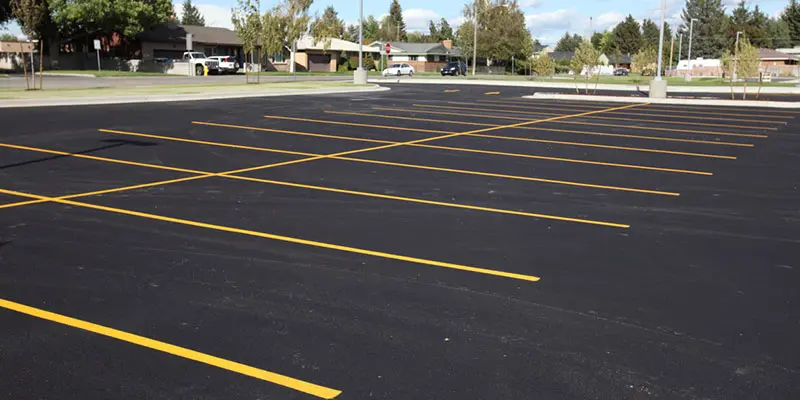
Parking painting is one of the most important yet often overlooked parts of property maintenance. Whether it is a shopping center, hospital, school, apartment complex, or office building, clear parking markings help maintain order, improve safety, and create a professional appearance. Fresh and well-planned markings show that a property owner cares about safety and organization, which leaves a strong first impression on visitors and customers.
Many people think parking painting is simply about drawing lines on asphalt. In reality, it involves careful planning, proper surface preparation, quality materials, and professional techniques. When done correctly, it improves traffic flow, reduces accidents, and ensures compliance with local accessibility and safety regulations. When done poorly, it can lead to confusion, liability risks, and faster paint deterioration.
This complete guide explains everything you need to know about parking painting, including its importance, preparation methods, materials, techniques, maintenance, and how professional contractors approach the process. Whether you are a property owner, facility manager, or contractor, understanding these basics will help you make better decisions and achieve long-lasting results.
Why Parking Painting Matters for Safety and Organization
Clear parking lot markings play a major role in maintaining safety and organization. When drivers enter a parking area, they rely on visible lines, arrows, and symbols to understand where to park and how to move through the lot. Without proper markings, even a large parking area can quickly become chaotic and unsafe.
Parking painting helps create clear boundaries between parking stalls, fire lanes, pedestrian walkways, and traffic lanes. This organization reduces the chances of accidents because drivers can easily understand traffic direction and spacing. Clearly marked pedestrian crossings also help protect people walking to and from their vehicles.
Another important reason parking painting matters is accessibility compliance. Properties must provide clearly marked accessible parking spaces with proper symbols and spacing. These markings help ensure equal access while also protecting property owners from legal risks. Faded or missing markings can lead to fines or compliance issues.
From a business perspective, fresh parking painting also improves curb appeal. A well-marked lot makes a property look clean, professional, and well managed. Customers often judge a business before they even walk inside, and a freshly painted parking lot sends a positive message about quality and attention to detail.
Property value can also benefit from proper maintenance, including lot striping and marking. Regular parking painting shows consistent care and can help extend pavement life by identifying areas that may need repair. This preventative approach saves money over time.
Essential Preparation Steps Before Parking Painting
Preparation is the foundation of successful parking painting. Without proper preparation, even the best paint will fail quickly. Professional contractors understand that surface preparation often takes as much effort as the actual painting process.
The first step is cleaning the surface. Parking lots collect dirt, dust, oil stains, debris, and loose gravel. These materials prevent paint from sticking properly. Contractors typically use pressure washing equipment or industrial blowers to remove contaminants and create a clean surface.
Oil stains require special attention because paint will not adhere properly to oily areas. Professionals may use degreasers or surface treatments to remove these spots. This step ensures better paint bonding and longer durability.
Next comes surface inspection. Cracks, potholes, and damaged asphalt should be repaired before starting parking painting. Painting over damaged pavement only hides problems temporarily and leads to faster deterioration. Crack sealing and patching provide a smooth and stable surface for marking.
Weather conditions also play an important role. Most parking painting projects require dry conditions and moderate temperatures. If the surface is wet or temperatures are too low, paint may not cure properly. Professionals usually schedule work during suitable weather windows to ensure the best results.
Layout planning is another critical preparation step. Contractors measure the lot carefully and create a layout plan to maximize space efficiency. Proper spacing ensures vehicles can park comfortably while maintaining smooth traffic flow. Accurate measurements also help avoid costly mistakes.
Finally, professionals use chalk lines or temporary markings to outline the design before applying permanent paint. This step ensures alignment accuracy and allows adjustments before final application.
Materials and Equipment Used in Professional Parking Painting
The quality of materials and equipment used in parking painting directly affects durability and appearance. Professional contractors select materials based on climate conditions, traffic levels, and surface type.
Water-based acrylic paint is one of the most common materials used in parking lot marking. It is popular because it dries quickly, provides strong visibility, and is environmentally friendly. This type of paint works well for most commercial applications and offers good durability when applied correctly.
Oil-based paints are sometimes used for areas with extremely heavy traffic. These paints can offer strong adhesion and durability, but they may require longer drying times. Contractors choose paint types based on the specific needs of the project.
Reflective glass beads are often added to paint to improve nighttime visibility. These small beads reflect headlights, making lines easier to see in low-light conditions. This feature is especially useful in busy commercial properties and healthcare facilities.
Striping machines are essential tools in professional parking painting. These machines allow contractors to apply straight, consistent lines with uniform thickness. Professional equipment also improves efficiency and reduces human error.
Stencils are used for symbols such as accessible parking signs, arrows, numbers, and safety warnings. Using professional stencils ensures consistency and compliance with regulations. These markings must meet specific size and visibility standards.
Measuring tools, laser guides, and layout software may also be used to ensure precision. Modern contractors often use advanced tools to create efficient layouts that maximize available space while maintaining safety standards.
Safety equipment is another important part of the process. Contractors use cones, barricades, and warning signs to protect workers and drivers during the painting process. Proper safety practices reduce risks and ensure a smooth project.
Best Practices for Long-Lasting Parking Painting Results
Achieving durable parking painting results requires more than just applying paint. Professionals follow proven techniques that ensure long-lasting performance even under heavy traffic conditions.
Proper timing is one of the most important factors. Fresh asphalt usually needs time to cure before painting. Painting too early can lead to paint failure because oils from new asphalt may interfere with adhesion. Contractors typically wait until the surface is ready before starting the project.
Applying the correct paint thickness also matters. Paint that is too thin may fade quickly, while paint that is too thick may crack. Professional striping machines help apply the right amount for balanced durability and flexibility.
Drying time must be respected as well. Opening a parking lot too soon after parking painting can damage fresh markings. Contractors often block off areas temporarily to allow proper curing time. This step protects the quality of the finished work.
Routine maintenance also helps extend the life of parking painting. Regular inspections allow property owners to identify fading lines early. Touch-ups can be performed before markings become completely worn out, saving money compared to full repainting.
Cleaning the lot regularly also helps preserve paint visibility. Dirt buildup can make even fresh markings hard to see. Simple cleaning practices can keep lines bright and effective.
Another best practice is using high-contrast colors. White and yellow are commonly used because they provide strong visibility against asphalt. Special colors like blue and red may be used for designated zones such as accessible areas or fire lanes.
Working with experienced professionals is one of the most effective ways to ensure quality results. Skilled contractors understand surface conditions, material selection, and proper application techniques that deliver long-term value.
How Professional Contractors Approach Parking Painting Projects
Professional contractors follow a structured process when handling parking painting projects. Their approach focuses on planning, efficiency, and quality control to deliver reliable results.
The process usually begins with a site evaluation. Contractors visit the property to assess pavement condition, measure dimensions, and understand client needs. This evaluation helps determine the scope of work and identify any repairs needed before painting begins.
Next comes design planning. Contractors may suggest layout improvements that increase parking capacity or improve traffic flow. Their experience allows them to recommend practical solutions that property owners may not have considered.
Scheduling is another important part of the process. Contractors often plan projects during off-peak hours to minimize disruption. For example, work may be done at night or during weekends for commercial properties.
During the painting phase, teams work systematically to ensure accuracy. They follow layout markings, apply paint using professional equipment, and inspect each section for quality. Attention to detail ensures clean lines and professional results.
Quality checks are typically performed after completion. Contractors review line straightness, paint coverage, and symbol clarity. Any necessary corrections are handled before the project is considered complete.
Professional contractors also provide guidance on maintenance schedules. They may recommend repainting every one to two years depending on traffic levels and climate conditions. This proactive approach helps property owners maintain clear markings year-round.
Choosing a reputable contractor often makes a significant difference in project outcomes. Experienced providers bring knowledge, proper equipment, and efficient processes that ensure the investment delivers long-term value.
Maintenance Strategies to Extend the Life of Parking Painting
Maintenance is essential for preserving the effectiveness of parking painting. Even high-quality paint will eventually fade due to traffic, weather exposure, and environmental factors. A proactive maintenance plan helps extend the lifespan of markings and reduce long-term costs.
Regular inspections should be part of every property maintenance routine. Checking line visibility every few months helps identify fading areas early. Addressing these areas quickly prevents confusion and maintains safety standards.
Seasonal maintenance can also make a difference. Harsh weather conditions such as heavy rain and extreme heat can affect pavement markings. Property owners should consider inspections after major weather changes to ensure markings remain visible.
Sealcoating is another strategy that helps protect both pavement and markings. This protective layer shields asphalt from damage and can help maintain a clean, dark background that improves paint contrast. Coordinating sealcoating and parking painting schedules helps maintain a fresh appearance.
Re-striping high-traffic areas more frequently is also a smart strategy. Entrance lanes, main drive paths, and accessible spaces often experience the most wear. Prioritizing these areas ensures the most important markings remain clear.
Working with a maintenance partner can also simplify long-term care. Many contractors offer maintenance programs that include inspections, touch-ups, and scheduled repainting. These programs help property owners stay ahead of wear and maintain professional standards.
Proper maintenance ultimately protects the investment made in parking painting. A well-maintained lot improves safety, appearance, and functionality while reducing the need for major repairs.
Conclusion
Parking painting is much more than a simple maintenance task. It is a critical part of property management that improves safety, organization, compliance, and visual appeal. Clear markings help drivers navigate safely, protect pedestrians, and ensure properties meet important accessibility requirements.
A successful parking painting project depends on proper preparation, quality materials, professional equipment, and skilled application. Surface cleaning, careful planning, and correct paint selection all contribute to long-lasting results. Following best practices and working with experienced contractors ensures markings remain clear and durable.
Ongoing maintenance is just as important as the initial project. Regular inspections, timely touch-ups, and preventative care help extend the life of markings and protect the investment. A proactive approach keeps parking areas safe and professional throughout the year.
Property owners who prioritize professional parking painting benefit from improved safety, better organization, and stronger first impressions. By understanding the process and following proven strategies, any parking area can remain functional, attractive, and compliant for years to come.