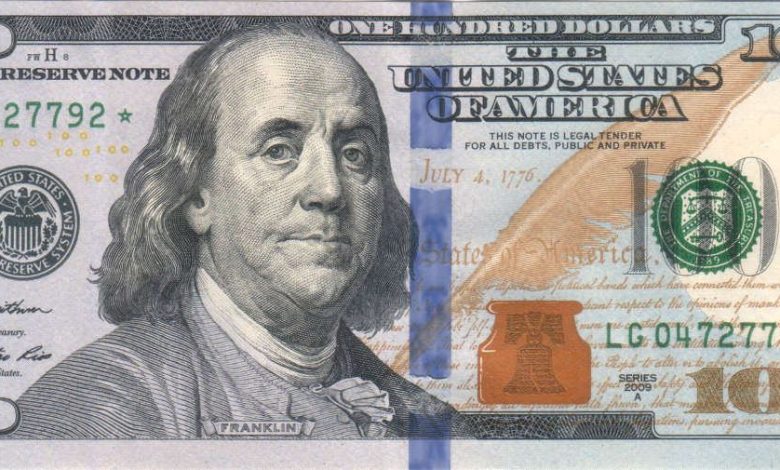
The US dollar has suffered its worst first half of a year since 1973, falling nearly 11 percent against a basket of major currencies in the first six months of 2025. The dollar index, which tracks the greenback against six leading currencies, dropped from around 110 at the end of 2024 to below 97 by the end of June, its lowest level in nearly three years. The fall was driven by President Donald Trump’s tariff policies, worries about the growing national debt, and pressure on the Federal Reserve’s independence, which together prompted investors to rethink their exposure to American assets. The pound rose to a three-year high of $1.37 over the same period. The decline was striking because the dollar is the world’s reserve currency and its usual safe haven: in times of trouble, investors normally buy dollars, not sell them. This time, the trouble was seen as coming from Washington itself, and money moved instead into gold, the euro and other currencies.
What the Evidence Shows
A weaker dollar is a mixed blessing. American exporters become more competitive, because their goods get cheaper abroad, and US companies that earn money overseas see those profits worth more in dollars. The dollar’s share of global reserves has been drifting lower for years, and central banks have been adding gold instead, a trend that the 2025 sell-off has accelerated. But imports cost more, which can push up prices for consumers, and foreign investors demand higher returns to hold dollar assets. For travellers and shoppers, the effect is immediate: a holiday in Europe or an imported car costs more than it did a year ago. Whether the slide continues depends on trade policy, the budget and the Federal Reserve, and currency markets have a habit of overshooting in both directions. For now, the dollar’s fall is a reminder that even the world’s most trusted currency is not immune to politics. Reporting and analysis from sources such as Financial Times track the same developments, and specialists following dollar decline say the direction is now consistent across independent lines of evidence.
The Wider Context
The wider context is a financial system repricing risk after a long era of cheap money. Decisions shaped by dollar decline are being made under closer supervisory attention, with stress tests and disclosure rules that assume conditions can worsen quickly. Institutions that planned for the benign case are adjusting in public, which is uncomfortable and healthy in equal measure.
What Happens Next
What happens next with dollar decline will be visible first in the data that professionals watch weekly: flows, spreads and the terms on new deals. Participants who spoke for this article expect a period of adjustment rather than drama, with the biggest effects landing on those who assumed the old conditions were permanent. Planning, as ever, is the cheapest hedge. You can follow related developments in our coverage of finance.
None of this will be settled by a single announcement, study or product launch. The pattern to watch is accumulation: independent confirmations, honest reporting of failures and steady improvement in the underlying numbers. Readers who follow those signals, rather than the loudest claim of the week, will understand this subject better than most of the commentary surrounding it suggests is possible.