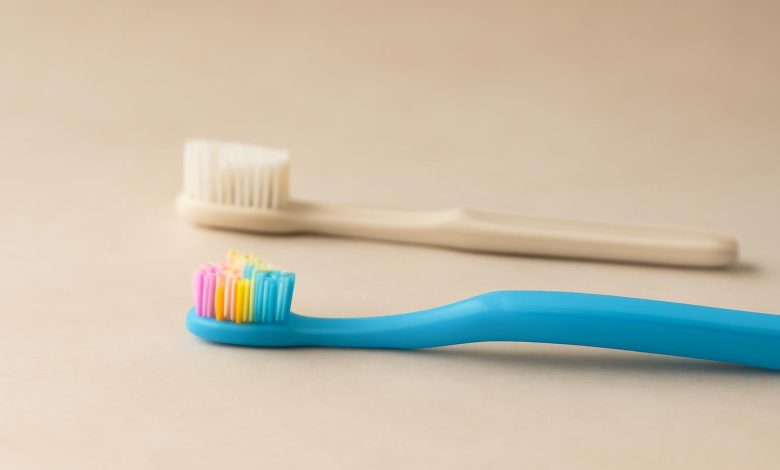
You stand in the store aisle staring at a wall of toothbrushes, and your child has already fallen in love with the brightest one, the one with the cartoon character, flashing lights, or giant handle that looks more like a toy than a dental tool. You want brushing to be easier, not another fight before bed, but you also do not want to buy something that makes cleaning their teeth harder. That tension is real. Parents are often choosing between what a child will actually use and what will do the job well, and guidance from a Fontana children’s dental clinic can help make that choice easier.
The good news is that you usually do not have to choose one or the other. The best toothbrush for a child is the one that fits their mouth, feels comfortable in their hand, and makes them willing to brush twice a day. If the fun toothbrush checks those boxes, great. If it does not, you can still use your child’s excitement to guide them toward a better option. A kid friendly toothbrush choice should support good brushing, not replace it.
Fun toothbrushes help only when the design still works for your child
Kids are drawn to color, characters, sounds, and anything that feels like theirs. That is not a problem. In many homes, the “fun one” is the reason brushing happens without tears. The trouble starts when the brush head is too big, the bristles are too stiff, or the handle is so bulky that your child cannot move it around their teeth well.
Young children need a small brush head and soft bristles. That is the baseline. According to MedlinePlus brushing guidance, a soft bristle toothbrush is the right choice for children, and it should be replaced every three to four months or sooner if the bristles look worn. If the “fun one” has soft bristles and a child sized head, the cartoon on the handle is not hurting anything. In fact, it may help.
The opposite happens too. A child picks the exciting toothbrush, brushes for ten seconds, chews the bristles, and declares the job done. That can leave you feeling tricked by the packaging. The brush got them interested, but it did not build the habit. At that point, the issue is not just the toothbrush. It is the routine, the supervision, and whether your child is developmentally ready to brush well on their own.
That is where a pediatric dentist often becomes helpful. If you are unsure whether your child is using the brush effectively, or if brushing has become a daily struggle, a toothbrush for kids conversation during a dental visit can give you much clearer direction than another guess in the toothbrush aisle.
Brushing success depends on fit, supervision, and age more than packaging
Most children do not have the hand skills to brush thoroughly by themselves for quite a while. The American Academy of Pediatrics notes in these toothbrushing tips for young children that parents need to help and supervise brushing until children can do a good job on their own. That means the “right toothbrush” still needs your involvement.
If your child wants the flashy brush, think about what happens once you get home. Can they reach the back teeth? Does the brush slip around? Are they brushing gently, or are they scrubbing too hard because the brush feels like a toy? A brush that looks appealing but works poorly can create a false sense of success. Teeth may look brushed when plaque is still sitting along the gumline.
Children also change quickly. The brush that worked six months ago may now be too small, too babyish, or just boring enough that your child resists using it. That does not mean you failed. It means oral care tools need to keep up with growth, preferences, and habits. Good oral health at home often looks less like one perfect purchase and more like small adjustments that keep brushing consistent.
The CDC’s oral health tips for children also stress daily brushing with fluoride toothpaste and regular dental care. The brush matters, but the bigger picture matters more. The best children’s toothbrush is the one your child will use correctly and regularly.
Comparing the fun toothbrush with the practical toothbrush makes the choice clearer
|
Feature |
Fun Toothbrush |
Practical Toothbrush |
Best Choice |
|
Brush head size |
Sometimes too large for small mouths |
Usually sized by age range |
Choose the smallest head that comfortably fits your child’s mouth |
|
Bristles |
Varies by brand |
Often clearly labeled soft |
Soft bristles only |
|
Handle design |
May be bulky or awkward |
Often easier for grip and control |
Pick the one your child can hold and move well |
|
Motivation |
High at first because it feels exciting |
Lower unless your child likes the color or style |
Motivation matters if the brush still works well |
|
Cleaning effectiveness |
Good only if size and bristles are right |
Usually more reliable |
Function comes first, fun can be added |
|
Parent approval |
Mixed |
Usually higher |
Look for overlap between kid appeal and proper design |
If your child is attached to the fun option, you do not need to shut it down right away. Check the label, the bristles, and the brush head. If it meets the basic standards, use that enthusiasm. If it does not, offer two or three parent approved choices and let your child pick from those. That gives them control without handing over the whole decision.
Small changes make choosing a toothbrush for children much easier
Start with fit, not appearance. Look for a small head, soft bristles, and an easy grip. If a character brush has those features, it can absolutely be the right one. If it does not, keep the excitement but change the tool. You can say yes to the color and no to the oversized brush.
Keep the choice narrow. Too many options often lead to a standoff. Pick two or three brushes that already meet the basics, then let your child choose. This works especially well for parents who are choosing a toothbrush for children who want independence but still need limits.
Watch one full brushing session. You will learn more in two minutes at the sink than from any package claim. See whether your child can reach all areas, whether they brush gently, and whether the brush still looks intact after a week. If the bristles are frayed quickly or the handle makes brushing awkward, switch.
The right toothbrush is the one your child will use well
You do not need the perfect toothbrush. You need one that fits your child’s mouth, supports good brushing, and does not turn every morning and bedtime into a battle. Sometimes that is the fun one. Sometimes it is the simpler one you picked after a little trial and error. Both can be right if they help protect your child’s teeth.
If brushing is still a struggle, or you are not sure whether your child’s brush and technique are working, a pediatric dentist can help you sort it out and make the routine easier.