How to Increase Visibility With AI Brand Mentions: A Checklist for Choosing Publications AI Reads

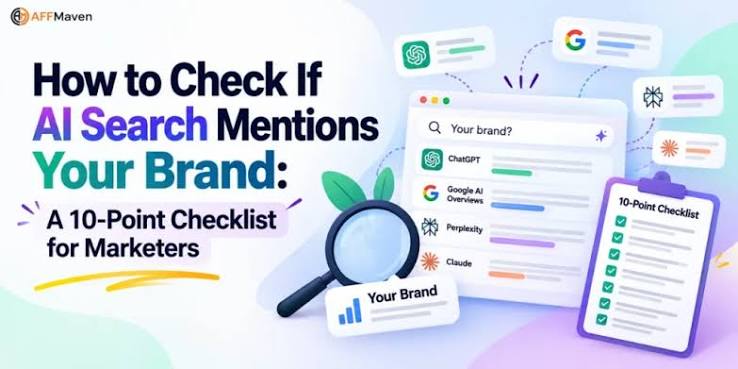
Not every brand mention increases AI visibility. A mention helps only if an AI system can read the page, trusts the source and finds the context relevant to the question it is answering. Use this checklist before you invest in a placement, whether you get it through PR, outreach or a marketplace.
Part 1: Can AI systems read the page?
☐ Does robots.txt allow the crawlers that matter?
Open publisher.com/robots.txt. Look for:
- OAI-SearchBot (ChatGPT search) and GPTBot (OpenAI training)
- Claude-SearchBot and ClaudeBot (Anthropic)
- PerplexityBot (Perplexity)
- Bingbot (Bing index, which feeds Copilot)
- Googlebot (Google Search, including AI Overviews and AI Mode)
A Disallow: / for a crawler means that company’s systems cannot read the site through it.
☐ Is the content visible without JavaScript?
Many AI crawlers do not run JavaScript. If the article text only appears after scripts load, crawlers may see an empty page. Check with “view source” or a text-only fetch.
☐ Is the page indexable?
No noindex, a self-referencing canonical, and present in the site’s sitemap. A page outside the search index cannot reach AI answers that rely on search.
☐ Is there server-level blocking?
Some sites block AI crawlers at the CDN level, which robots.txt does not show. A site that shows up in AI citations for other topics is evidence that crawlers can get in.
Part 2: Does AI already trust this source?
☐ Does the publication appear in AI citations for your category?
Run 5–10 prompts your buyers would ask in ChatGPT, Perplexity and Google AI Mode. Note which domains are cited. A publication already cited for your topic is the strongest candidate there is.
☐ Is the site topically relevant?
A mention on a site that covers your industry carries more context than one on a general site that publishes everything. Check its last 20 articles.
☐ Is it a real publication?
Look for named authors, editorial standards, real readers and comments. Sites that exist only to sell posts are discounted by search engines and add little for models.
☐ Does it have organic traffic?
Traffic suggests search engines trust the site. DR alone can be inflated; traffic is harder to fake.
Part 3: Will the mention say the right thing?
☐ Is the format one assistants cite?
For recommendation prompts, assistants lean on roundups, comparisons, buying guides and practitioner reviews. A press release rarely gets cited; a well-made comparison often does.
☐ Does the article describe your brand precisely?
Use your standard one-line description: what you are, for whom, what makes you different. Vague mentions (“a great tool”) give models nothing to work with.
☐ Does it connect you to a specific use case?
“For 20-person agencies that need client approvals” beats “for businesses”. Assistants match brands to situations.
☐ Is the context honest?
Balanced content that names limitations is more credible to readers, editors and models than pure praise.
☐ Will the article stay live and dated?
Check whether placements are permanent and whether the page shows a publication date. For time-sensitive topics, a visible date helps.
Part 4: Practical terms
☐ Price relative to value. Compare against the publication’s traffic, relevance and AI citation presence, not DR alone.
☐ Link attributes and disclosure. Paid placements should follow the publisher’s rules and relevant guidelines on sponsored links and disclosure.
☐ Timeline. Know when it goes live, so you can measure the effect.
Scoring
Give each candidate one point per checked box. Prioritise:
- Sites already cited for your category with crawler access (Parts 1–2 complete)
- Relevant sites with crawler access and traffic
- Everything else, only if the format and context are strong
Doing this at scale
Checking robots.txt, traffic and formats one site at a time is slow. Some marketplaces show this data up front. brandmentions.io, a marketplace for editorial brand mentions and links across 65,000 vetted publishers, lists DR, traffic, format, price and AI crawler access for each publisher, so you can filter before you contact anyone. You should still run your own category prompts: crawler access shows what is possible, citations show what actually happens.
After you publish
Record the date each placement goes live. Re-run your prompts every two weeks and note new sources in citations and changes in where your brand appears. That turns a list of placements into evidence of what works.