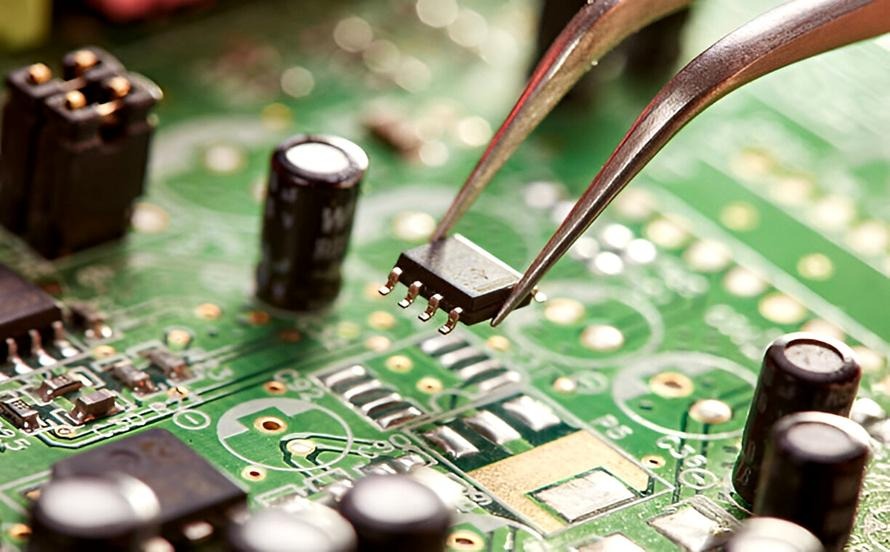
The rapid advancement of technology has made electronic devices an essential part of everyday life. From smartphones and computers to medical equipment, industrial machinery, and automotive systems, nearly every modern product relies on sophisticated electronic circuits. At the heart of these products is the process known as Electronic PCB Assembly, which transforms a bare printed circuit board into a fully functional electronic system.
Electronic PCB Assembly is one of the most important stages in electronics manufacturing because it determines the performance, reliability, and functionality of the final product. By accurately placing and soldering electronic components onto a printed circuit board, manufacturers create the circuits that power modern technology. Understanding Electronic PCB Assembly helps engineers, product developers, and businesses make informed decisions about design, manufacturing, and quality control.
What Is Electronic PCB Assembly?
Electronic PCB Assembly refers to the process of mounting electronic components onto a printed circuit board (PCB) and creating the electrical connections required for the circuit to function properly.
A bare PCB contains conductive pathways that connect different areas of the board. However, the board itself cannot perform any electronic function until components such as resistors, capacitors, integrated circuits, connectors, and sensors are installed.
During Electronic PCB Assembly, these components are positioned according to the circuit design and permanently attached through soldering processes. Once assembled and tested, the PCB becomes a Printed Circuit Board Assembly (PCBA) that can be integrated into a finished electronic product.
This process is essential for transforming engineering designs into working electronic devices.
Why Electronic PCB Assembly Is Important
Electronic products depend on reliable circuit connections and accurate component placement to operate correctly.
Electronic PCB Assembly plays a critical role in ensuring that electronic devices perform consistently and safely. High-quality assembly improves product reliability, reduces manufacturing defects, and supports long-term performance.
The importance of Electronic PCB Assembly can be seen in several key areas:
- Product functionality
- Electrical performance
- Reliability
- Manufacturing efficiency
- Product safety
- Customer satisfaction
Even small assembly errors can lead to malfunctioning products, making assembly quality a top priority for manufacturers.
The Electronic PCB Assembly Process
The Electronic PCB Assembly process consists of several carefully controlled manufacturing stages.
Production begins with the review of assembly documentation, including Gerber files, bills of materials, assembly drawings, and manufacturing instructions.
After preparation, solder paste is applied to designated pads on the PCB using precision stencils. This solder paste will later form the electrical connections between components and the board.
Automated pick-and-place machines then position electronic components according to the design specifications.
Once all components have been installed, the assembly proceeds through soldering operations that permanently secure the components to the board.
Following assembly, inspection and testing procedures verify product quality and functionality.
Each stage contributes to the overall reliability of the finished electronic assembly.
Surface Mount Technology in Electronic PCB Assembly
Surface Mount Technology (SMT) is the most widely used assembly method in modern electronics manufacturing.
In SMT assembly, components are mounted directly onto the surface of the PCB rather than being inserted through drilled holes.
This approach offers numerous advantages:
- Higher component density
- Smaller product size
- Faster production speeds
- Improved automation
- Lower manufacturing costs
Most consumer electronics products, including smartphones, tablets, laptops, and wearable devices, rely heavily on SMT assembly.
The efficiency and precision of SMT have made it a cornerstone of modern Electronic PCB Assembly operations.
Through-Hole Technology
Although SMT dominates the electronics industry, Through-Hole Technology (THT) continues to play an important role in many applications.
Through-hole components have leads that pass through holes in the PCB and are soldered on the opposite side.
This assembly method provides strong mechanical connections and is often used for:
- Connectors
- Transformers
- Power devices
- Relays
- Industrial electronics
Many products combine SMT and THT components within the same assembly to achieve optimal electrical and mechanical performance.
Electronic PCB Assembly providers must often support both technologies to meet diverse customer requirements.
Materials Used in Electronic PCB Assembly
The quality of materials used during assembly directly affects product reliability.
Electronic PCB Assembly requires several important materials, including:
- Printed circuit boards
- Electronic components
- Solder paste
- Flux
- Solder alloys
- Cleaning agents
Lead-free solder alloys are widely used to comply with environmental regulations and industry standards.
PCB materials such as FR-4, polyimide, aluminum, and ceramic substrates are selected based on performance requirements.
Careful material selection helps ensure durability, thermal performance, and electrical reliability.
Quality Control in Electronic PCB Assembly
Quality assurance is a critical component of Electronic PCB Assembly.
Manufacturers use advanced inspection and testing systems to identify defects and verify assembly quality.
Automated Optical Inspection (AOI) systems examine component placement, polarity, and solder joint quality.
X-ray inspection allows engineers to inspect hidden solder joints beneath Ball Grid Array (BGA) packages and other advanced components.
Additional testing methods include:
- In-Circuit Testing (ICT)
- Flying probe testing
- Functional testing
- Burn-in testing
These procedures help manufacturers detect issues before products are delivered to customers.
Effective quality control significantly reduces defect rates and improves long-term reliability.
Common Challenges in Electronic PCB Assembly
As electronic products become more sophisticated, manufacturers face increasingly complex assembly challenges.
Miniaturized components require greater placement accuracy and tighter process controls.
High-density designs can complicate soldering, inspection, and thermal management.
Other common challenges include:
- Component availability
- Supply chain management
- Lead-free soldering requirements
- High-speed signal integrity
- Process consistency
Successfully addressing these challenges requires advanced equipment, experienced personnel, and continuous process improvement.
Manufacturers that invest in modern assembly technologies are better positioned to meet evolving industry demands.
Applications of Electronic PCB Assembly
Electronic PCB Assembly is used in virtually every segment of the electronics industry.
Consumer electronics manufacturers use assembled PCBs in smartphones, gaming systems, laptops, televisions, and smart home devices.
Medical equipment relies on PCB assemblies for patient monitoring systems, imaging devices, and diagnostic instruments.
Automotive manufacturers use assembled boards in engine control units, infotainment systems, electric vehicles, and advanced driver assistance technologies.
Industrial automation systems depend on PCB assemblies for robotics, controllers, sensors, and monitoring equipment.
Additional applications include telecommunications infrastructure, aerospace electronics, defense systems, renewable energy equipment, and Internet of Things (IoT) devices.
The widespread use of PCB assemblies highlights their importance in modern technology.
Future Trends in Electronic PCB Assembly
The future of Electronic PCB Assembly is being shaped by advances in manufacturing technology and increasing product complexity.
Emerging trends include:
- High-density interconnect (HDI) boards
- Flexible and rigid-flex circuits
- Advanced semiconductor packaging
- Artificial intelligence-driven inspection
- Smart factory automation
- Real-time process monitoring
These innovations are helping manufacturers improve production efficiency, quality control, and scalability.
As electronic devices continue to become smaller, faster, and more powerful, assembly technologies will continue to evolve to meet new design requirements.
The demand for reliable electronic assemblies is expected to grow significantly across numerous industries.
Conclusion
Electronic PCB Assembly is a vital process that transforms printed circuit boards into functional electronic systems capable of powering modern technology. Through precise component placement, advanced soldering techniques, rigorous inspection procedures, and comprehensive testing, manufacturers ensure the reliability and performance of electronic products across industries such as consumer electronics, healthcare, automotive, telecommunications, aerospace, and industrial automation. As technology continues to advance, the importance of high-quality assembly processes will only increase. Businesses that partner with experienced manufacturers capable of delivering complete Electronic PCB Assembly solutions, along with value-added services such as Electro Mechanical Assembly, can achieve superior product quality, improved manufacturing efficiency, and long-term market success.


