Introduction
Understanding yourself can feel like solving a puzzle. Many people search for simple ways to learn about their behavior, habits, and emotions. That’s where the idea of 16 Personalities becomes helpful. It gives you a clear and easy way to explore who you are and how you connect with others. Based on well-known personality theories, this system groups people into 16 different personality types, each with its own traits, strengths, and challenges. When you visit platforms like 16personalitiestest.org, you can take a quick test and discover insights that can guide your life decisions.
The concept of personality typing is not just for fun. It can help you grow in your career, improve relationships, and understand your emotions better. The 16 Personalities model combines ideas like introversion and extroversion, thinking and feeling, and judging and perceiving. These traits come together to form a complete picture of your personality. By learning about your type, you can better understand why you act the way you do and how to improve your daily life in a meaningful way.
What Are the 16 Personalities?
The 16 Personalities system is built on four main traits that define how people think, feel, and behave. These include mind (introverted or extroverted), energy (intuitive or observant), nature (thinking or feeling), and tactics (judging or prospecting). Each person falls into one side of each category, which creates a four-letter personality type. For example, someone might be an INFP or an ESTJ. These letters are not random; they describe how a person processes the world around them.
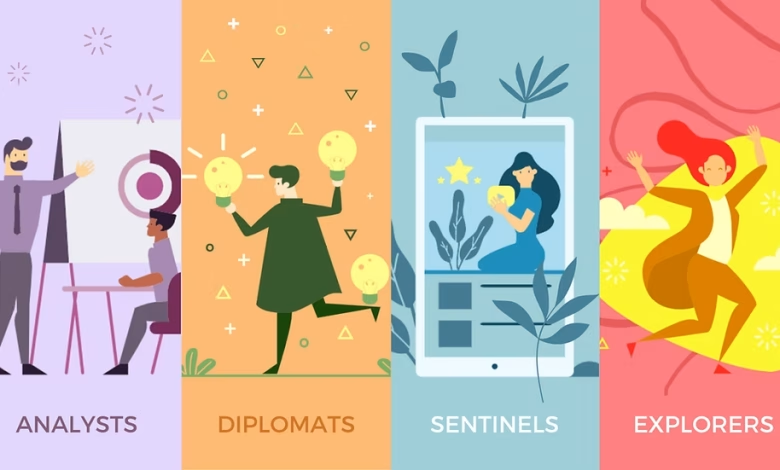
Each of the 16 Personalities types belongs to one of four groups: Analysts, Diplomats, Sentinels, and Explorers. Analysts are logical thinkers who enjoy solving problems. Diplomats are emotional and value harmony. Sentinels are practical and focused on structure. Explorers are flexible and love new experiences. This grouping makes it easier to understand the big picture of personality traits and how different types interact with each other in real life situations.
The Four Personality Groups Explained
The Analysts group includes personality types like INTJ, INTP, ENTJ, and ENTP. These individuals are known for their sharp minds and strategic thinking. They enjoy challenges and often focus on long-term goals. People in this group are usually independent and confident in their ideas. They prefer logic over emotions and are often seen as natural problem solvers in both personal and professional settings.
Diplomats, on the other hand, include types such as INFJ, INFP, ENFJ, and ENFP. These personalities are driven by emotions and values. They care deeply about others and often aim to make the world a better place. Diplomats are great at understanding feelings and building strong relationships. They are often creative and enjoy expressing themselves in unique ways, making them valuable in social and team environments.
Sentinels and Explorers in Daily Life
Sentinels include ISTJ, ISFJ, ESTJ, and ESFJ personality types. These individuals are known for their strong sense of duty and responsibility. They like structure, rules, and clear expectations. Sentinels are often reliable and hardworking, making them dependable in both work and family life. They value tradition and are usually focused on maintaining stability in their environment.
Explorers include ISTP, ISFP, ESTP, and ESFP types. These personalities are energetic, flexible, and action-oriented. They enjoy living in the moment and trying new things. Explorers are often spontaneous and love adventure. They may not always follow strict plans, but they bring excitement and creativity wherever they go. Their ability to adapt quickly makes them great in fast-changing situations.
How Personality Types Affect Relationships
Understanding 16 Personalities can greatly improve your relationships. When you know your personality type and the types of others, you can better understand different behaviors and communication styles. For example, introverts may need more quiet time, while extroverts may prefer social interaction. Recognizing these differences helps reduce misunderstandings and builds stronger connections between people.
In romantic relationships, personality types can reveal compatibility patterns. Some types naturally complement each other, while others may need more effort to connect. However, no match is impossible. The key is awareness and communication. When both partners understand their strengths and weaknesses, they can support each other more effectively and create a balanced relationship that grows over time.
Career Paths Based on Personality Types
Your personality type can also guide your career choices. The 16 Personalities system helps you understand what kind of work environment suits you best. For example, Analysts may thrive in jobs that require critical thinking, such as engineering or research. Diplomats may prefer careers in counseling, teaching, or creative fields where they can express emotions and help others.
Sentinels often do well in structured roles like management, administration, or finance. They enjoy stability and clear rules. Explorers, on the other hand, may excel in careers that offer freedom and excitement, such as marketing, travel, or entertainment. By aligning your career with your personality, you can increase job satisfaction and perform better in your role.
Why Taking a Personality Test Matters
Taking a personality test on platforms like 16personalitiestest.org is a simple yet powerful step toward self-discovery. These tests are designed to be easy to understand and quick to complete. Once you get your result, you receive a detailed explanation of your personality type, including strengths, weaknesses, and growth tips. This information can help you make better decisions in your personal and professional life.
Self-awareness is the first step to improvement. When you understand your habits and thought patterns, you can work on areas that need growth. Whether it’s improving communication, managing stress, or building confidence, knowing your personality type gives you a clear starting point. Over time, this knowledge can lead to better relationships, stronger career choices, and a more fulfilling life.
Conclusion
The world of 16 Personalities offers a simple yet powerful way to understand yourself and others. By breaking down personality into clear categories and traits, it becomes easier to see why people think and act differently. Whether you are an Analyst, Diplomat, Sentinel, or Explorer, each type brings unique strengths to the table. Exploring these traits can help you grow, improve your relationships, and make smarter life decisions.
If you are ready to learn more about yourself, taking a test on 16personalitiestest.org is a great place to start. It gives you a detailed look into your personality and helps you unlock your full potential. In today’s fast-paced world, understanding who you are is more important than ever, and the 16 Personalities system provides a clear path toward that goal.